Home / Environment / Science uses invasive toads for conservation
Science uses invasive toads for conservation
22 Jan
Summary
- Community collects cane toads for scientific lure production.
- RSPCA-approved humane euthanasia via fridge/freezer method is recommended.
- Lures exploit cane toad toxin-based pheromones to attract tadpoles.

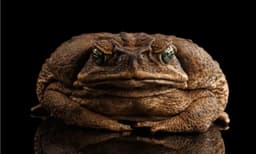
A national campaign, the Great Cane Toad Bust, is underway until January 25, encouraging the public to collect and submit cane toads for scientific use. Developed by Watergum in collaboration with the University of Queensland, the initiative utilizes the invasive toads to create specialized tadpole lures.
Scientists discovered that cane toads are attracted to the chemical compounds, specifically the toxin itself, released by adult toads. This discovery led to the creation of a patented submersible lure. These lures effectively attract cane toad tadpoles, allowing for their removal before they mature and contribute to further ecological disruption. Notably, native frog species are not attracted to these lures.
Participants are advised to use the RSPCA-approved 'stepped hypothermia' method for humane euthanasia, involving chilling the toads before freezing them. Collected toads and their secretions are then processed to produce tadpole attractants. This program aims to mitigate the significant environmental impact of cane toads, which threaten native wildlife through toxicity and competition for resources, and reproduce prolifically.