Home / Environment / Canada's Forests: Green Façade Hides Degradation
Canada's Forests: Green Façade Hides Degradation
22 Nov
Summary
- Commercial logging severely damages Canada's boreal forest.
- Degraded forests worsen wildfire severity and reduce carbon absorption.
- Younger, simpler, fragmented forests struggle to store carbon.
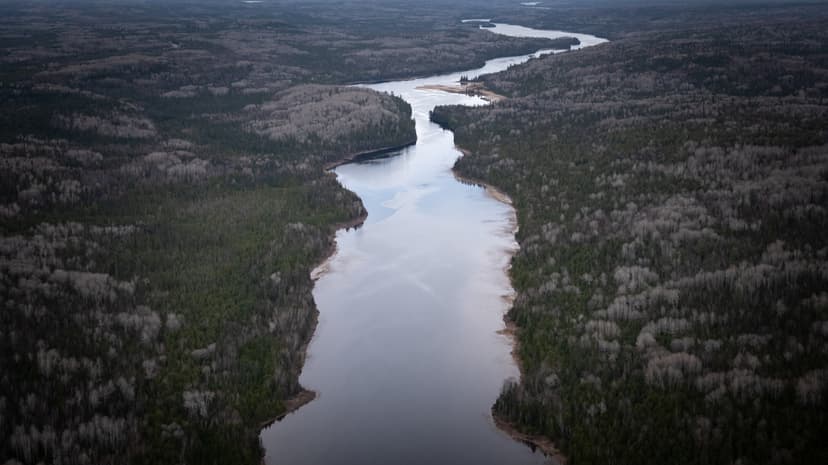
Canada promotes its boreal forest preservation globally, yet commercial logging and climate change inflict significant damage. Despite low deforestation rates, forest degradation is a growing concern, impacting ecosystem integrity.
Researchers highlight that while forests appear green, they are often degraded due to logging practices. This degradation affects wildlife, reduces biodiversity, and can exacerbate wildfire severity.
Degraded forests, often younger and simpler, have a reduced capacity for carbon absorption. Studies indicate a notable drop in carbon uptake by Canada's boreal forest between 2010 and 2019.
Provincial ownership of forests influences logging rules, with companies often prioritizing timber yield over ecological resilience. This can lead to 'Frankenstein forests' with diminished biodiversity.
The long-term consequences of these practices mean that forests may not return to their original state for decades, impacting their crucial role in climate change mitigation.


