Home / Environment / Feral Sheep Evolved Unique Traits on Remote Island
Feral Sheep Evolved Unique Traits on Remote Island
20 Aug
Summary
- Feral sheep developed self-shedding fleeces and foot-rot resistance.
- A rare breed was preserved by removing only 10 sheep in 1976.
- Sheep farming ended on Campbell Island in 1931, leaving thousands behind.
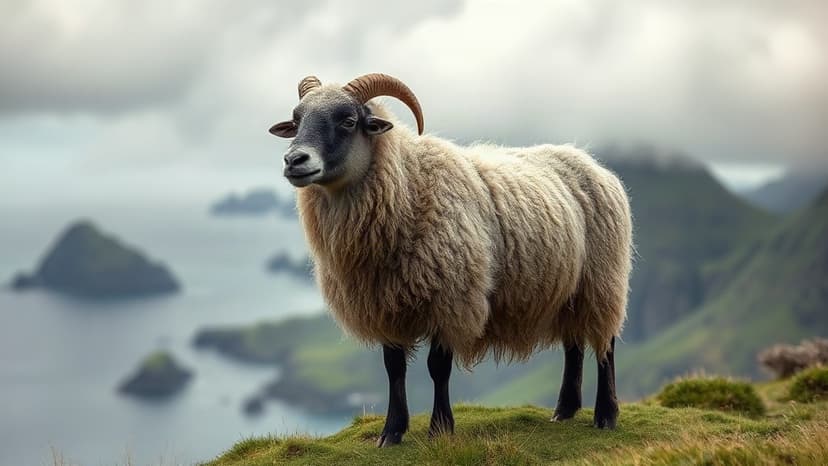
Sheep farming on Campbell Island ceased in 1931, leading to the abandonment of approximately 4,000 animals. These sheep, a mix of various breeds, were left to survive in the harsh sub-Antarctic conditions. Isolated from conventional management for decades, the feral flock underwent significant adaptations.
Research documented that by the 1970s, the sheep had developed traits such as higher lambing rates and the ability to shed their fleeces. This self-shedding characteristic became particularly notable. However, the growing feral population began to damage the island's native vegetation.
Conservation efforts in 1970 led to fencing and planned removal of the sheep. In a significant move during the summer of 1975-76, scientists rescued 10 sheep possessing unique adaptations like fleece shedding and foot-rot resistance. These animals were brought to mainland New Zealand for captive breeding.
By 1980, the feral sheep population on Campbell Island, estimated at 3,000, was subject to a culling program to allow the island's megaherbs to recover. The original wild flock was eventually eradicated, preserving the genetic legacy of the abandoned animals through the small group rescued.


