Home / Environment / California Reservoirs Overflow After Atmospheric Rivers
California Reservoirs Overflow After Atmospheric Rivers
7 Jan
Summary
- Lake Shasta water levels rose over 35 feet since mid-December.
- California reservoirs are performing better than historical averages.
- December storms boosted California's snowpack to 71% of average.
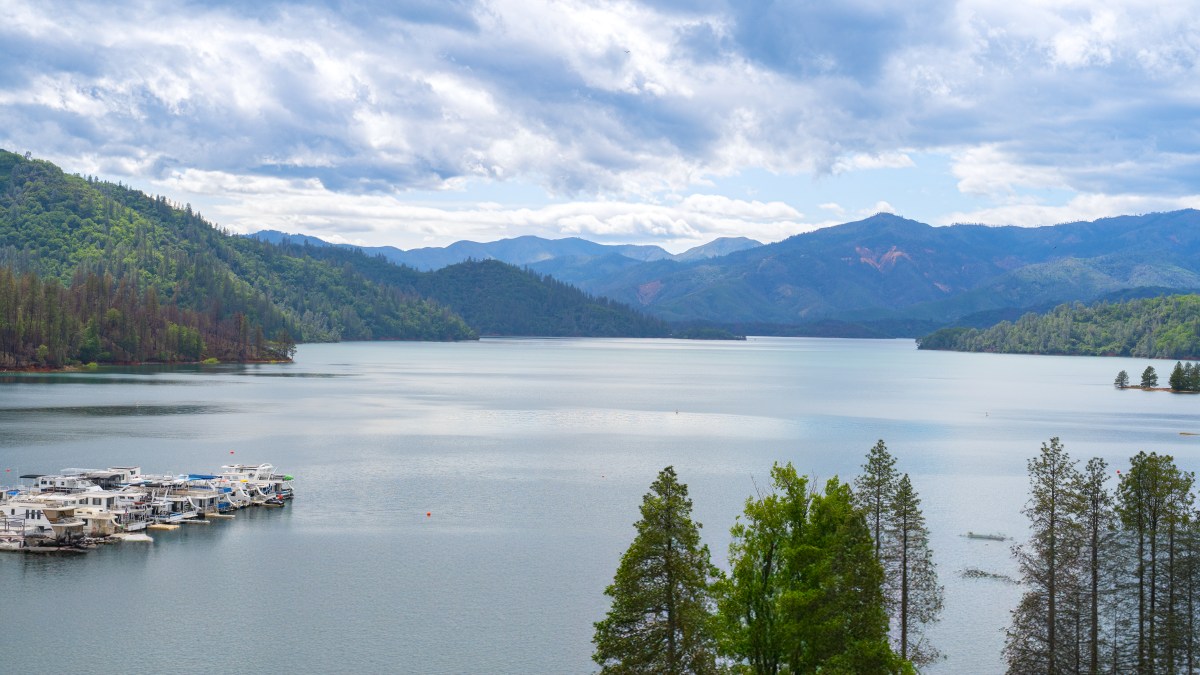
Water levels at California's largest reservoir, Lake Shasta, have dramatically increased by more than 35 feet since mid-December. This surge follows a period of severe drought in 2022 when the lake reached critically low levels. The recent recovery is attributed to a series of powerful atmospheric rivers that delivered substantial moisture across the state.
While these storms have brought much-needed water, they have also caused flooding concerns in some areas, particularly south of Redding. Despite the substantial rise, Lake Shasta is currently at 79 percent capacity, though this is 132 percent of its historical average for this period. Other major reservoirs, such as Cachuma Lake and Lake Oroville, are also experiencing favorable water levels.
Beyond immediate reservoir replenishment, the December storms significantly improved California's snowpack, reaching 71 percent of the historical average. This snowpack is vital, supplying nearly one-third of the state's water needs and continuing to feed reservoirs long after winter concludes. While the current water situation is positive, continued storms throughout winter and spring are crucial for the state's overall water supply.