Home / Environment / Habitat Restoration Aids Marsh Fritillary Survival
Habitat Restoration Aids Marsh Fritillary Survival
1 Jan
Summary
- Butterfly numbers decline despite ideal weather conditions.
- Caterpillars depend solely on Devil's-bit Scabious plant.
- Conservation volunteers restore habitat over 30 years.
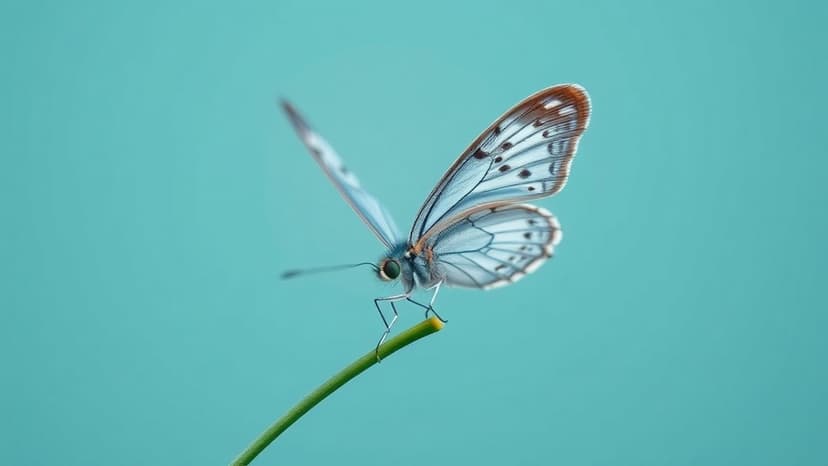
A significant decline has been observed in butterfly species across the UK, with 31 out of 59 species showing a downward trend. This widespread issue persists even when weather conditions appear favorable. The Marsh Fritillary butterfly, for instance, is highly dependent on the Devil's-bit Scabious plant, which thrives in specific grassland and heathland habitats.
For three decades, volunteers from Butterfly Conservation have been dedicated to preserving and restoring these crucial habitats. Efforts at sites like Lydlinch Common have included managing encroaching vegetation and reintroducing cattle grazing, essential for maintaining the plant's environment. These actions aim to create larger, interconnected healthy populations.
While the past year's warm spring and hot summer should have benefited many insects, the overall insect numbers remained average, underscoring that climate alone cannot counteract long-term ecological damage. Conservationists emphasize a landscape-scale approach to ensure greater impact when multiple populations thrive, benefiting not only butterflies but also other species, livestock, and people.