

Home / Environment / Burghley Gardens: From Wilderness to Award Nominee
Burghley Gardens: From Wilderness to Award Nominee
19 Apr
Summary
- Gardens transformed from a 'lost wilderness' over 35 years.
- Head gardener navigates climate change challenges like erratic seasons.
- Over 100,000 plants planted in the last eight years, enhancing accessibility.
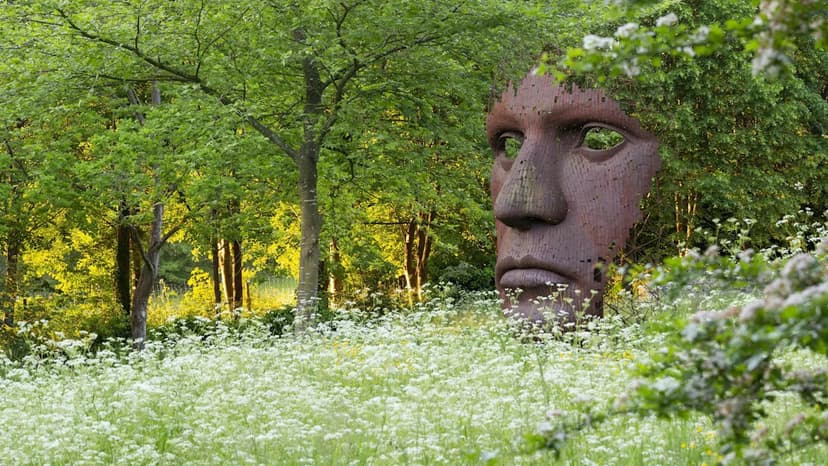
Head gardener Joe Whitehead has meticulously cultivated the 50-acre gardens at Burghley House, transforming them from a "lost wilderness" into an award-nominated spectacle over a remarkable 35-year period. Whitehead faces significant challenges due to climate change, noting that seasons have become "erratic" with unpredictable rainfall and increased wind.
Planting schedules have shifted, with April now too dry for traditional sowing, pushing primary sowing months to February and March. To combat moisture loss and support plant health, all borders are heavily mulched with compost. New plantings receive thorough watering and careful maintenance during their initial year.
Since taking over as head gardener nine years ago, Whitehead has overseen extensive enhancements, including the introduction of a network of hard paths and the planting of over 100,000 plants in the last eight years. These additions have significantly improved accessibility and guided visitors through the estate.
The gardens boast diverse themed areas, a man-made stream, and a play area, with displays that have matured to Whitehead's vision. Highlights include a vast snowdrop display in February, followed by daffodils, blossom, wildflowers, and autumn colors, ensuring visitors see something new year-round. Sculptures, including the striking Burghley Snail, add artistic flair.
Burghley estate is also home to ancient oak trees, some estimated to be 800-1,000 years old, alongside impressive hornbeam and Douglas fir trees. The garden's maintenance involves a team of seven gardeners and 20 volunteers, with winter months being particularly busy for changes and new features.
Efforts are underway to make the gardens more sustainable, reducing chemical use. While not entirely organic, they avoid organic insecticides and fungicides and minimize herbicide use. Leaves are often left in place to decompose naturally, promoting a balance with nature. The gardens' significant transformation has led to their shortlisting for Historic Houses' Garden of the Year.
