Home / Environment / Beyond Plastic: Healthier Homes Emerge
Beyond Plastic: Healthier Homes Emerge
17 Mar
Summary
- Building a plastic-free home proved challenging due to costly alternatives.
- Natural materials like hemp fiber and linoleum offer healthier building options.
- Affordable housing sector leads adoption of healthier, long-lasting materials.
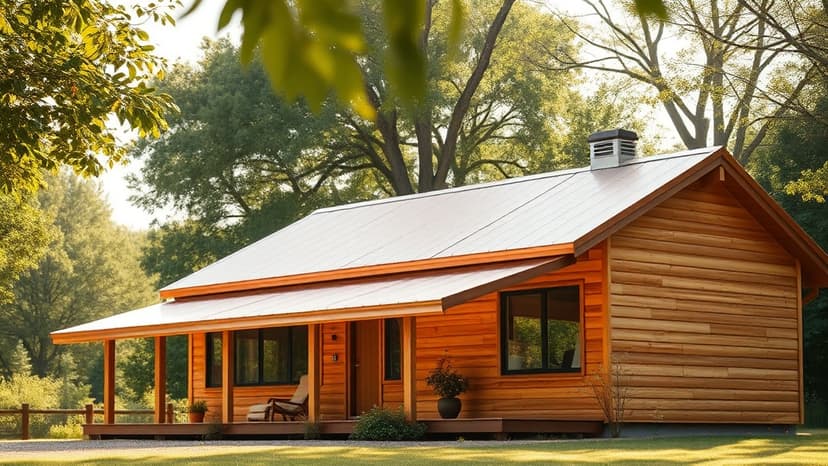
Building a home with minimal plastic posed significant challenges, as alternatives to materials like PVC pipes were often prohibitively expensive. Erica Cirino's experience building a low-plastic house in Connecticut highlighted this difficulty, though she successfully used metal roofing and wood siding. Her research uncovered that plastics are the default in home construction, necessitating a deep dive into specialized materials.
Resources like the Informed website, a project of the US non-profit Habitable, now rate building materials for healthiness. Habitable found that plastic materials consistently ranked worst due to chemical releases. They highly recommend linoleum, a natural alternative to PVC, with brands like Forbo offering sustainable options.
While avoiding plastic can seem burdensome during housing crises, the long-term benefits are substantial. Builders like Will Beilharz are focusing on fire-resistant and healthier homes post-disaster, noting increased client interest. Affordable housing organizations are also at the forefront, as their long-term management of developments incentivizes durable, healthier materials.
Hempcrete, a blend of hemp and lime, shows promise as a fire, pest, and mold-resistant material, potentially cheaper than conventional options. Minnesota is considering integrating hempcrete and straw bale into its state building code, with states like Maine already moving toward such adoption. Consumer demand is also driving innovation for safer alternatives, mirroring successes seen with PFAS-free cookware.