Home / Environment / Brunei's Massive Bridge Fuels Surge in Illegal Wildlife Hunting
Brunei's Massive Bridge Fuels Surge in Illegal Wildlife Hunting
26 Sep, 2025
Summary
- Southeast Asia's longest bridge increases access to Brunei's Temburong region
- Hunting of protected species like Sunda pangolin has risen sharply since bridge opened
- Experts warn bridge disrupts wildlife movement and weakens biodiversity conservation
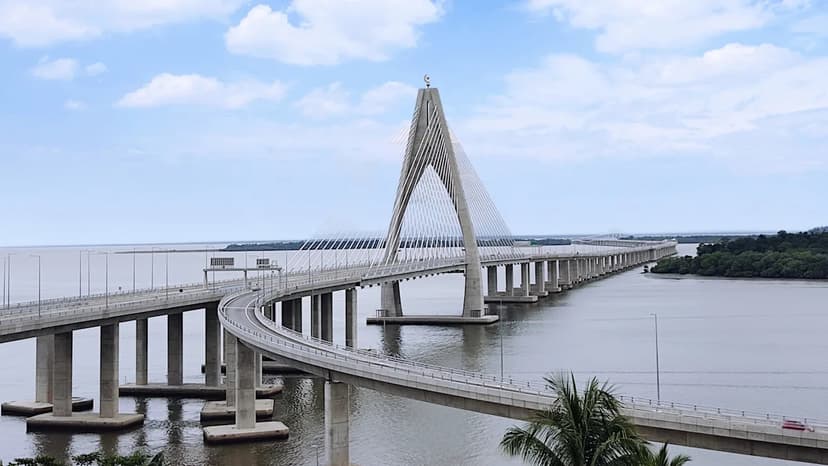
In March 2020, Brunei opened the Sultan Haji Omar 'Ali Saifuddien Bridge, a massive 16-mile structure connecting the country's forested Temburong region to its urban capital. While the bridge was intended to boost economic opportunities, it has also had a concerning impact on the region's wildlife and biodiversity.
Prior to the bridge's construction, hunting in Temburong was largely limited to subsistence practices by local Indigenous communities. However, the bridge has now made the area far more accessible, reducing travel time to urban markets and enabling recreational and commercial hunting. Experts say this has led to a sharp rise in the poaching of protected species, including the critically endangered Sunda pangolin.
Conservationists warn that the bridge, which passes through the Labu Forest Reserve, has disrupted wildlife movement and migration patterns. Locals have reported "unusual wildlife movements" since the bridge opened, signaling the broader environmental disruption caused by this infrastructure project.
Brunei's government has taken steps to protect its forests, but no specific plans are in place to address the bridge's impact on wildlife. Experts emphasize the need for context-specific conservation strategies to balance development and environmental protection as the country moves forward with its infrastructure plans.


