Home / Environment / Britain's canals transform into unexpected nature reserves
Britain's canals transform into unexpected nature reserves
22 Jul
Summary
- Industrial canals now shelter threatened wildlife species.
- Otters return to urban canals, signaling improved water quality.
- Canal visits boost human wellbeing and feelings of safety.
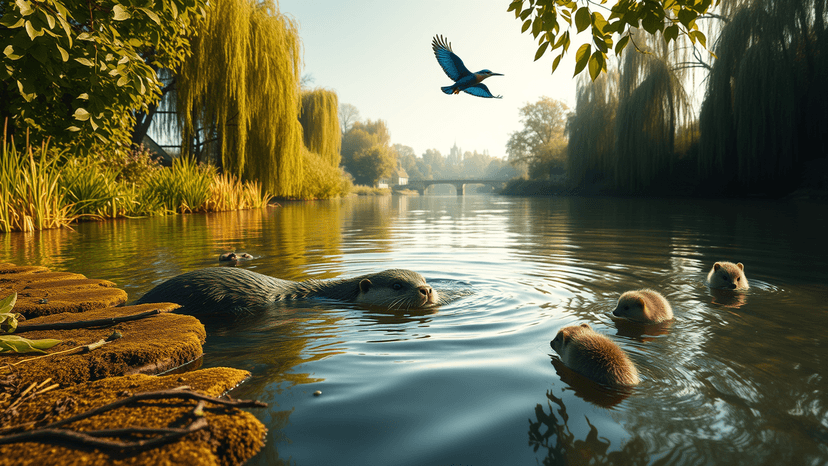
Britain's extensive canal network, originally engineered for industrial transport, now serves a dual purpose as a vital refuge for struggling wildlife. These waterways, spanning nearly 8,000 kilometers, offer a predictable environment with calm waters and steady banks that benefit species like the water vole, which has faced severe population decline. Conservation groups are actively enhancing canal habitats to aid recovery efforts.
Otters have also made a remarkable comeback, re-establishing populations along urban canals, a testament to improving water quality. Ecologists suggest that otters may even help water vole populations by controlling invasive American mink. Other species, including Daubenton's bats and European eels, also utilize the canals for foraging, roosting, and migration routes.
The benefits extend to human well-being, with studies indicating that visits to canals are associated with enhanced mood, increased feelings of safety, and greater social inclusion. Approximately nine million people in Britain live within one kilometer of a canal, highlighting their accessibility.
Despite their ecological value, canals face pressures from pollution, invasive species, and climate change impacts like drought. Regular maintenance, including dredging and water management, is essential to preserve their function as habitats. Even minor operational adjustments can significantly influence the ecological health of these valuable blue-green corridors.


