Home / Environment / Whales Return: Brazil's Humpbacks Rebound
Whales Return: Brazil's Humpbacks Rebound
28 Aug
Summary
- Brazilian humpback whale population nears 35,000 after near extinction.
- AI platform Happy Whale identifies individual whales using tail patterns.
- Humpback whales now face threats from maritime traffic and climate change.
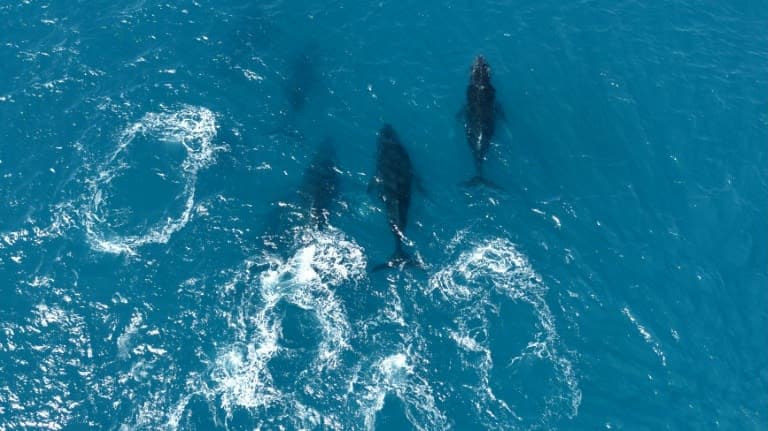
Decades after facing near extinction, humpback whale populations have made a dramatic comeback in the South Atlantic. Off the coast of Brazil, approximately 35,000 humpback whales now congregate, representing nearly half of the global population. These waters have become a vital breeding ground, where males compete and females give birth.
Scientific study of these whales has advanced significantly, aided by a global moratorium on whaling enacted in 1986 and Brazil's subsequent protections. Researchers collect skin and blubber samples to map family ties and understand migration patterns, which can span thousands of kilometers. Identification has been revolutionized by AI platforms like Happy Whale, which uses unique tail patterns to recognize individual whales.
This technology recently uncovered a record-breaking sighting of a Brazilian humpback seen over 15,000 kilometers away off Australia's coast, highlighting the interconnectedness of Southern Hemisphere populations. However, the whales now contend with new threats, including maritime traffic, fishing gear entanglement, and the effects of climate change on their krill-based diet.
The Abrolhos archipelago, a key breeding area, has been recognized as a "Hope Spot" for its biodiversity and conservation importance. While conservation efforts continue, supported by entities like Petrobras, the ongoing challenges underscore the need for sustained vigilance to protect these marine giants.


