Home / Environment / Boats Replace Cars in Remote Brazilian Paradise
Boats Replace Cars in Remote Brazilian Paradise
4 Aug
Summary
- Boats are the main transport in a village with no cars.
- The village is within Superagui National Park, a UNESCO site.
- Isolation preserves traditional culture and rare wildlife.
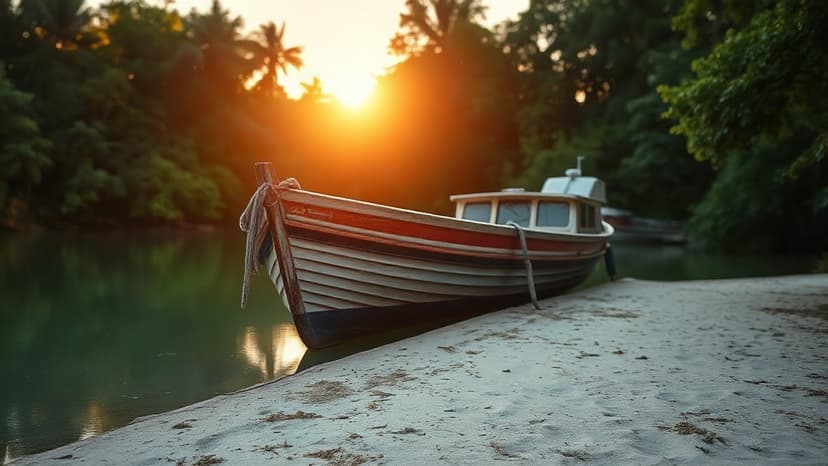
Barra do Superagui, a coastal village in southern Brazil, offers a glimpse into a life largely untouched by modern motorization. Here, boats serve as the primary mode of transport for residents, visitors, and essential supplies, navigating the waters instead of traversing roads. Sandy lanes accommodate pedestrians, bicycles, and handcarts, creating a serene environment.
This secluded community is nestled within Superagui National Park, a vital protected area established in 1989. The park safeguards a significant portion of the Atlantic Forest, mangroves, and diverse marine life. Its inclusion as part of the Atlantic Forest South-East Reserves, a UNESCO World Heritage Site, underscores its exceptional biodiversity and ecological importance.
The village's isolation has been instrumental in preserving its traditional caiçara culture and shielding it from the mass tourism that has altered many Brazilian coastal destinations. Residents primarily depend on artisanal fishing and community-based tourism, enjoying over 40 kilometers of pristine beaches and lush forest trails. The park is also a sanctuary for endangered species like the red-tailed amazon parrot and the black-faced lion tamarin.


