

Home / Environment / Amazon Oil Rush: Hope or Environmental Disaster?
Amazon Oil Rush: Hope or Environmental Disaster?
8 Apr
Summary
- Migrants flock to Oiapoque anticipating oil boom jobs.
- Petrobras offshore drilling sparks economic hope and environmental concerns.
- Indigenous groups sue to halt exploration over risks and consultation failures.
Oiapoque, Brazil, is experiencing a surge in migration as thousands arrive in anticipation of an economic boom linked to Petrobras's offshore oil exploration. The company secured licensing for drilling in the Equatorial Margin, located approximately 180 kilometers off the coast of Amapa state. This development has drawn people like Reginaldo Nunes Fonseca from poorer regions, seeking employment opportunities.
Amapa, one of Brazil's most underdeveloped states, currently relies on fishing, illegal gold mining, and cross-border trade. The oil prospect offers a potential transformation, yet it also exacerbates existing infrastructure issues and raises a broader dilemma about balancing economic development with environmental protection and climate change commitments.
Petrobras began exploratory drilling in October, with plans expected to last about five months. However, environmental and Indigenous groups have filed lawsuits challenging the licensing process, citing inadequate consultation and underestimated spill risks. Federal prosecutors have also called for the suspension of the environmental license due to insufficient studies by Petrobras.
Despite Oiapoque's limited role as primarily a helicopter base for offshore crews, speculation has already reshaped the city. Population growth has led to the creation of new neighborhoods, straining precarious urban infrastructure. Residents are clearing rainforest for informal settlements, facing worsening conditions.
Some envision Oiapoque becoming an "Amazonian Dubai" fueled by oil royalties, which could generate significant revenue. However, historical examples from other Amazonian cities like Coari, which experienced oil booms but remain impoverished, serve as cautionary tales. Similarly, cities like Pedra Branca faced boom-and-bust cycles tied to mining.
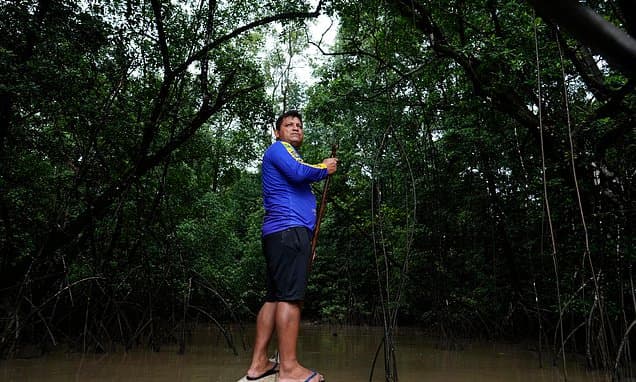
Indigenous communities, such as the Galibi Kali'na, express deep concern over environmental risks and threats to their way of life, particularly regarding potential oil spills in sensitive wetland areas. While Petrobras officials aim to allay fears and highlight oil's economic benefits, local council members acknowledge the immediate "side effects" of population growth are already apparent before any benefits materialize.

