Home / Environment / Tap Water Wins: Bottled Water's Purity Myth Debunked
Tap Water Wins: Bottled Water's Purity Myth Debunked
11 Dec
Summary
- Bottled water often contains microplastics and leaches chemicals.
- Tap water is typically more regulated and tested than bottled water.
- Bottled water consumption has significant environmental and energy costs.
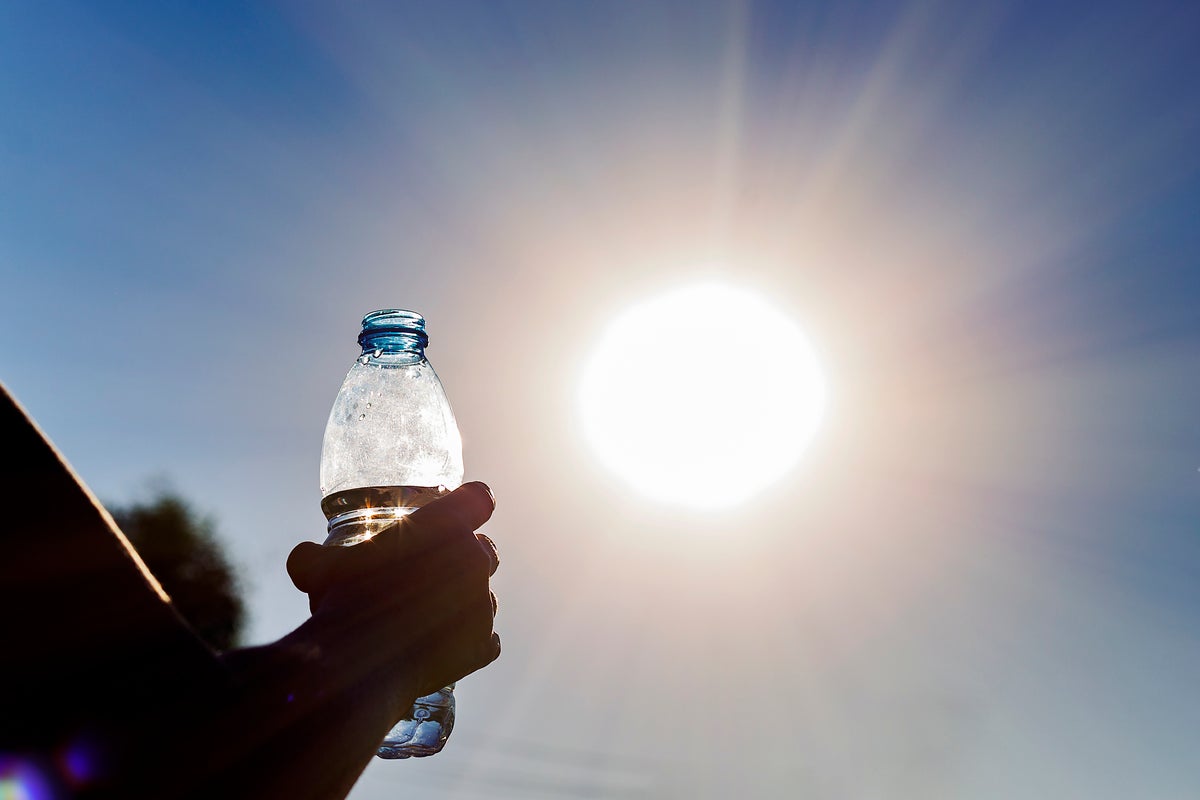
Tap water is increasingly recognized as a safer and more reliable choice than bottled water, despite marketing claims of purity. Scientific studies indicate that bottled water, often sold in plastic containers, can harbor bacterial contamination and microplastics. These plastic bottles may also leach chemicals such as antimony and phthalates, with potential long-term health implications due to their endocrine-disrupting properties.
In contrast, tap water in most developed nations adheres to stricter legal and testing standards, with regular monitoring for bacteria and heavy metals. Public water supplies often contain beneficial minerals and fluoride, which are not consistently found in bottled alternatives. Concerns also extend to the significant environmental footprint of bottled water production and transportation.
As global water resources face increasing strain from climate change and pollution, innovative solutions like portable, solar-powered devices that generate drinking water from air are being developed. These decentralized systems offer a sustainable alternative, reducing reliance on single-use plastics and bolstering water security where tap water trust may be compromised.