


Home / Environment / Bottled Water: Hidden Risks Uncovered
Bottled Water: Hidden Risks Uncovered
26 Feb
Summary
- Bottled water contains microplastics, posing new health concerns.
- Chemicals leach from plastic bottles, especially when heated.
- Regulations lag behind, failing to monitor long-term plastic risks.
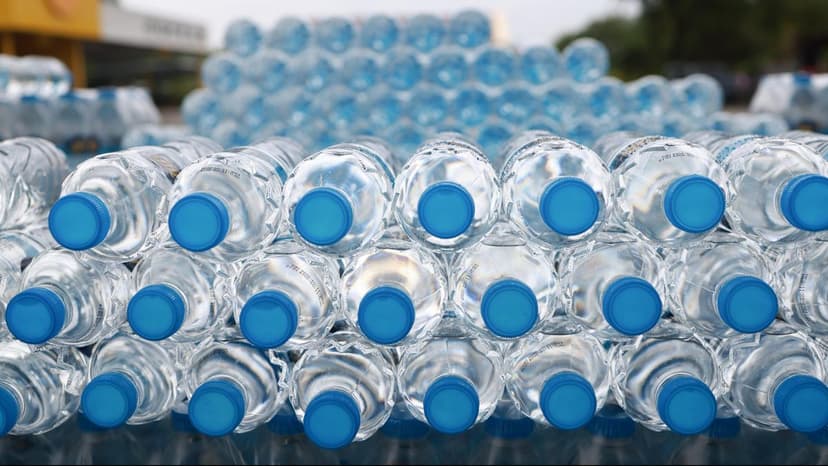
Bottled water has become a daily staple in India, driven by concerns over tap water safety. However, recent scientific studies reveal that packaged water may harbor less visible risks. Microplastic particles, plastic fragments less than five millimeters, are a significant contaminant, with studies detecting them in all sampled bottled water brands across India. These particles, along with leached chemicals from plastic containers, pose potential long-term health implications that current regulations fail to fully address.
Concerns extend to chemical leaching, where additives like antimony and phthalates can migrate into the water, especially when bottles are exposed to heat or sunlight during storage and transportation. While individual chemical levels may remain within limits, the cumulative effect of these substances alongside microplastics, over extended periods, is not adequately monitored. This creates a disconnect between real-world consumption patterns and regulatory oversight.
Existing frameworks, primarily overseen by the Food Safety and Standards Authority of India (FSSAI), do not include testing for microplastics or comprehensive assessments of long-term chemical exposure. Enforcement at state levels also shows inconsistencies, with numerous small bottling units operating with minimal oversight. The environmental impact, including plastic waste contributing to microplastic pollution, further complicates the issue, underscoring that bottled water is more than just a convenience.
While essential for emergencies and areas with poor water infrastructure, over-reliance on bottled water warrants a shift. Solutions include promoting point-of-use filtration, expanding refill stations, and strengthening public water supply systems with transparent quality reporting. Crucially, regulatory frameworks need updating to include routine testing for microplastics and associated chemical contaminants.