

Home / Environment / Bosnia's Coal Addiction Jeopardizes EU Dreams
Bosnia's Coal Addiction Jeopardizes EU Dreams
3 Apr
Summary
- Bosnia-Herzegovina struggles with coal, delaying EU accession talks.
- Extreme air pollution linked to coal causes severe health issues.
- EU urges faster reforms, threatening trade penalties for non-compliance.
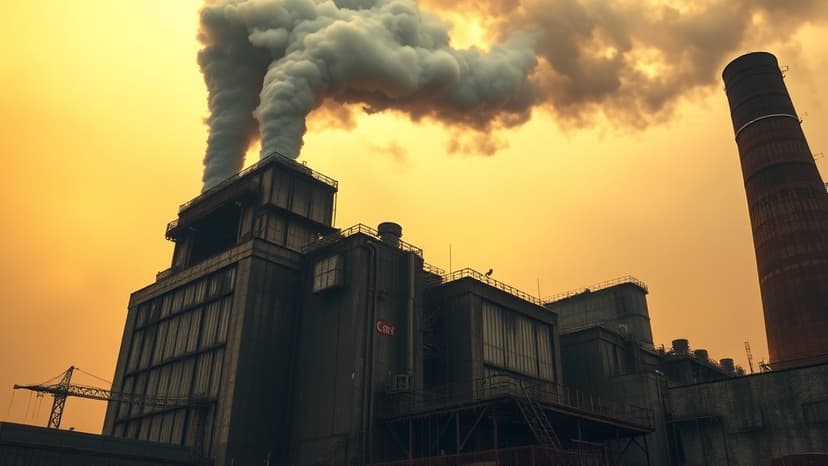
Bosnia-Herzegovina faces significant challenges in its energy transition, primarily due to its deep-rooted dependence on coal. The country's numerous coal mines and aging power plants contribute to extreme air pollution, impacting public health with increased rates of respiratory diseases and cancer. This situation jeopardizes the nation's aspirations for European Union membership, as it fails to meet environmental standards required for accession.
The EU has initiated infringement proceedings and warns of trade penalties under mechanisms like CBAM if Bosnia and Herzegovina does not align its energy policies with EU regulations. Despite receiving substantial EU funding and loans totaling over €335 million for green initiatives, progress has been slow due to legislative delays and political hurdles.
Authorities are attempting to address the issue, with plans to build a desulphurisation plant by the end of 2027 and gradually decommission older power plant units. However, the political will to enact necessary reforms, such as implementing a CO2 trading system, remains a significant obstacle. The future trajectory of Bosnia-Herzegovina's energy sector hinges on its ability to overcome these challenges and commit to a sustainable, EU-aligned transition.
