Home / Environment / Saving Borneo's Elephants: A Race for Survival
Saving Borneo's Elephants: A Race for Survival
22 Sep
Summary
- Conservationists collar elephants to track and protect them.
- Habitat loss due to palm oil has endangered Bornean elephants.
- Creating elephant corridors promotes coexistence with communities.
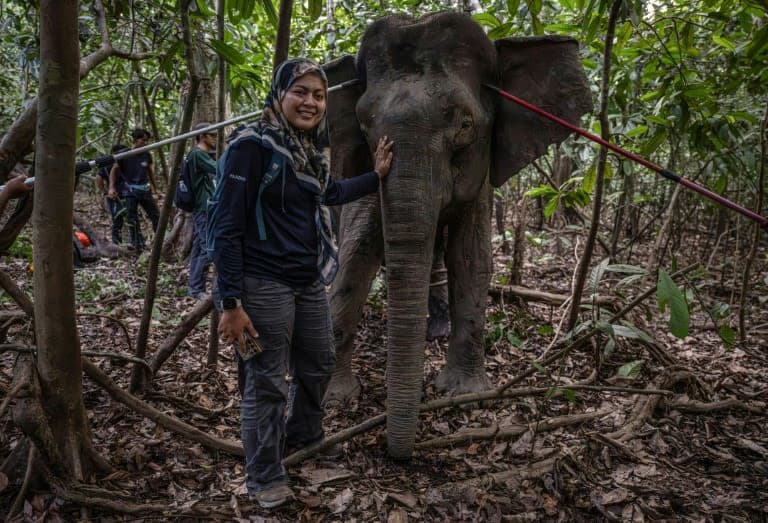
Deep within Malaysia's Borneo jungle, conservationists are actively working to protect the critically endangered Bornean elephant. With only about 1,000 left in the wild, efforts are underway to mitigate increasing human-elephant conflict. A key strategy involves tranquilizing elephants to attach tracking collars, which helps alert villagers to their proximity and is vital for a program designing safe travel corridors.
Bornean elephants have lost over 60 percent of their habitat in Sabah over the last 40 years, largely due to logging and oil palm expansion. This fragmentation of their environment, with remaining forest patches surrounded by plantations and villages, makes conflict inevitable when elephants venture near human settlements.
Conservation group Seratu Aatai, led by Farina Othman, focuses on promoting coexistence. They implement outreach programs in schools, distribute educational pamphlets, and train community wildlife guardians to safely guide straying elephants away from villages. This approach aims to increase local tolerance and create more space for elephants.
Creating 'elephant corridors' through plantations is a central goal, connecting fragmented forest patches. However, convincing plantations to dedicate land for these corridors presents a significant challenge due to economic pressures. Finding a sustainable, win-win solution that balances the needs of planters and wildlife remains the ultimate objective for the survival of these magnificent animals.


