Home / Environment / WWII Bombs Fuel Deadly Blast Fishing in Asia
WWII Bombs Fuel Deadly Blast Fishing in Asia
29 Jul
Summary
- Fishers dismantle WWII explosives for blast fishing, risking death.
- Dismantling shells killed seven and injured 19 on Biak Island.
- Blast fishing devastates coral reefs and marine life in Southeast Asia.
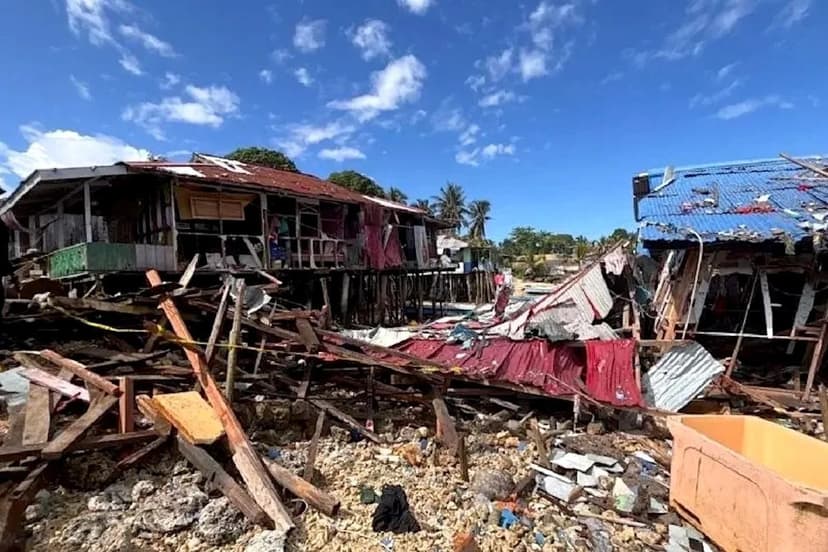
The dangerous practice of blast fishing, prevalent in Southeast Asia, is significantly fueled by the extraction of TNT from salvaged World War II explosives. This method poses grave risks to fishers and causes extensive damage to marine life and coral reefs.
On Indonesia's Biak Island, seven people died and 19 were injured in May when attempting to dismantle an unexploded WWII shell to harvest materials for blast fishing. This region, particularly off the coast of New Guinea, is littered with unexploded ordnance from intense wartime fighting, which continues to be uncovered.
Fishers in areas like Biak and Wakde Island recover these munitions to create their own explosives for fishing. This illicit trade in explosives has reportedly evolved into a market. The risks are clear, with a fisher dying last year on Papua while assembling a bomb.
Beyond the immediate danger to humans, aging and volatile unexploded bombs can leak harmful chemicals. Furthermore, blast fishing itself leads to the large-scale destruction of coral reefs and marine biodiversity, a problem that is exacerbated globally by a lack of enforcement.


