Home / Environment / UK's Love for Bird Names Masks Nature Crisis
UK's Love for Bird Names Masks Nature Crisis
5 Dec, 2025
Summary
- Bird-themed street names increased significantly.
- Populations of namesake birds have drastically fallen.
- Conservationists urge action beyond symbolic naming.
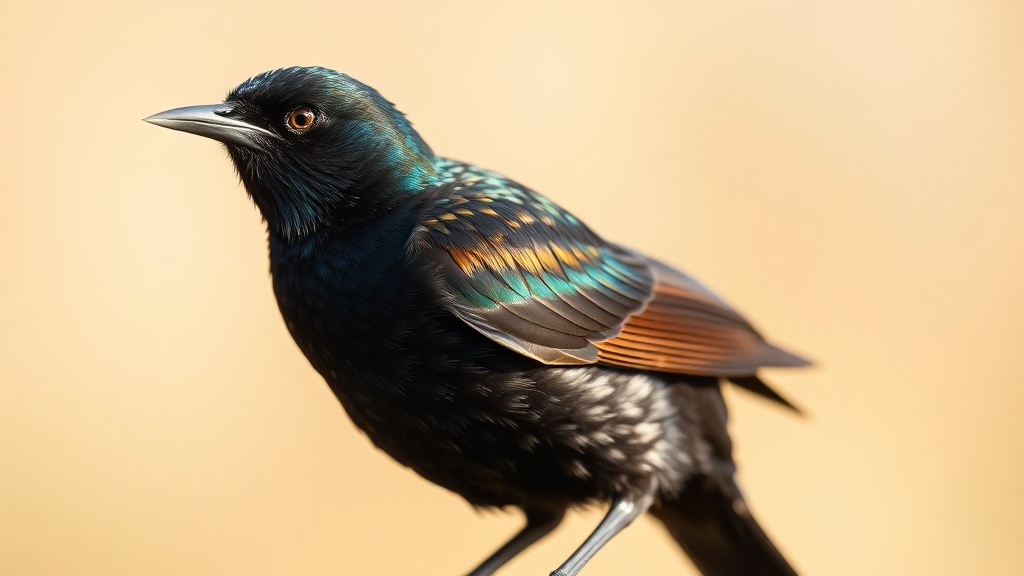
A growing trend of naming British streets after bird species like skylarks, lapwings, and starlings is drawing criticism from conservation groups. While names such as Skylark Lane have seen a dramatic increase, populations of these very birds have plummeted in the wild over recent decades. This surge in nature-inspired placenames, alongside a rise in 'meadow' street names, is occurring while wildflower meadows have drastically diminished.
Conservationists argue that this trend masks a severe detachment from nature and a lack of genuine action. They point to the significant loss of wild bird numbers since the 1970s, with some species experiencing catastrophic declines. The RSPB calls for more robust government support for nature, particularly within planning and infrastructure legislation, to ensure that symbolic naming translates into effective conservation.
Experts suggest that while people appreciate nature, developers exploit this fondness to create an impression of environmental consciousness. This contrasts with historical placenames that reflected ecological reality. The call is for naming conventions to be accompanied by substantial conservation efforts, ensuring that the sounds of nature, like nightingales and swifts, are not lost to silent streets with ironically named birds.