Home / Environment / Bihar's Rivers Show Signs of Life!
Bihar's Rivers Show Signs of Life!
11 Jan
Summary
- River Ganga's faecal coliform levels have drastically reduced.
- Bihar has significantly increased its sewage treatment capacity.
- Groundwater quality is monitored, with arsenic and fluoride concerns addressed.
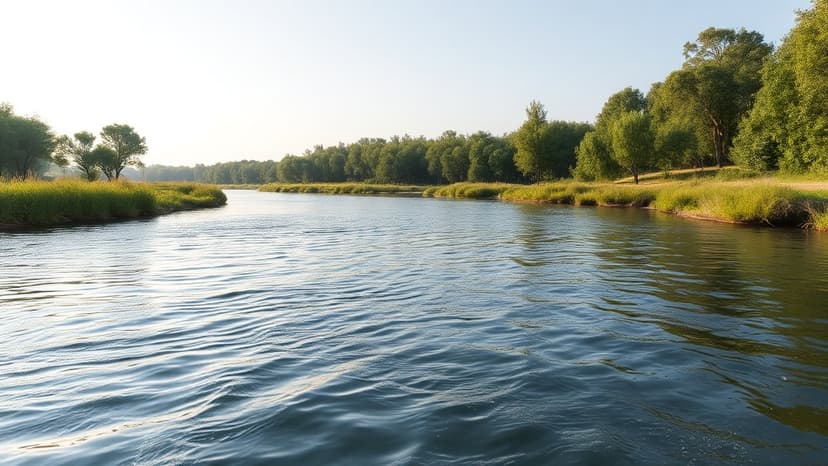
Bihar's rivers and aquifers are exhibiting visible signs of recovery from long-standing pollution issues. The Bihar State Pollution Control Board reports a steady improvement in both surface and groundwater quality, including the Ganga River. These positive developments are largely due to the substantial increase in the number and capacity of Sewage Treatment Plants (STPs) across the state.
Until 2021-22, Bihar operated only three STPs with a capacity of 140 MLD. By 2024-25, this number had risen to 12 STPs with a capacity of 324 MLD, significantly reducing faecal coliform levels in the Ganga. Projections for 2025-26 indicate 18 functional STPs with a capacity of 552 MLD, bringing faecal coliform levels down to 2,116 MPN per 100 mL, well within the permissible limits for bathing.
Beyond surface water, the state is actively addressing groundwater contamination, including issues with arsenic, fluoride, and nitrate. Initiatives like the Jal, Jeevan, Hariyali scheme ensure fresh and clean water supply in villages and towns. While soft drink plants' water extraction poses a potential threat, authorities are monitoring and taking steps to safeguard water resources.