Home / Environment / Bidadi Waste-to-Energy Plant Accused of Toxic Waste Mismanagement
Bidadi Waste-to-Energy Plant Accused of Toxic Waste Mismanagement
6 Nov, 2025
Summary
- CPCB report finds Bidadi WTE plant failed to monitor toxic pollutants
- Plant operator lacks authorization under Solid Waste Management Rules
- Leachate released without proper monitoring, ash dumped in landfills

According to a report submitted by the Central Pollution Control Board (CPCB) to the National Green Tribunal in November 2025, the Bidadi Waste-to-Energy (WTE) incineration plant in Bengaluru has been plagued by a series of environmental violations and operational failures.
The CPCB's investigation found that the plant, a joint venture between the Karnataka Power Corporation Limited (KPCL) and the Greater Bengaluru Authority (GBA), has failed to properly monitor and test for toxic and carcinogenic pollutants like dioxins and furans. Additionally, the plant operator has not obtained the necessary authorization under the Solid Waste Management Rules, 2016.
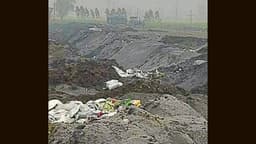
Other key issues highlighted in the report include the plant's online monitoring system not being connected to the state or central pollution control boards, and the release of leachate (liquid waste) without proper monitoring and testing. The report also revealed that the plant's bottom and fly ash, known to contain hazardous toxins and heavy metals, have not been adequately tested, with around 200 tonnes per day being openly dumped into landfills.
The Bidadi WTE plant, which was established with a loan of USD 13 million from the Japan Bank for International Cooperation (JBIC) and technology from the Japanese firm Hitachi Zosen, was built to operate on dry waste. However, the report found that the waste processed at the facility has over 40% moisture content, indicating that it is burning mixed, unsegregated municipal solid waste.
The findings have prompted calls from environmental groups like FridaysForFuture-Karnataka for the state government to immediately halt incineration-based waste management projects like the Bidadi plant, which they describe as a "textbook example of a false climate solution."