Home / Environment / Bengaluru's Waste Segregation Success Fuels New Industry
Bengaluru's Waste Segregation Success Fuels New Industry
15 Dec
Summary
- Waste segregation in Bengaluru has significantly boosted low-value plastic fuel generation.
- Approximately 350-400 tonnes of RDF are collected daily, with 100-150 tonnes sent to a waste-to-energy plant.
- An agreement with Dalmia Cement will transport 200-250 tonnes of RDF daily to Andhra Pradesh.
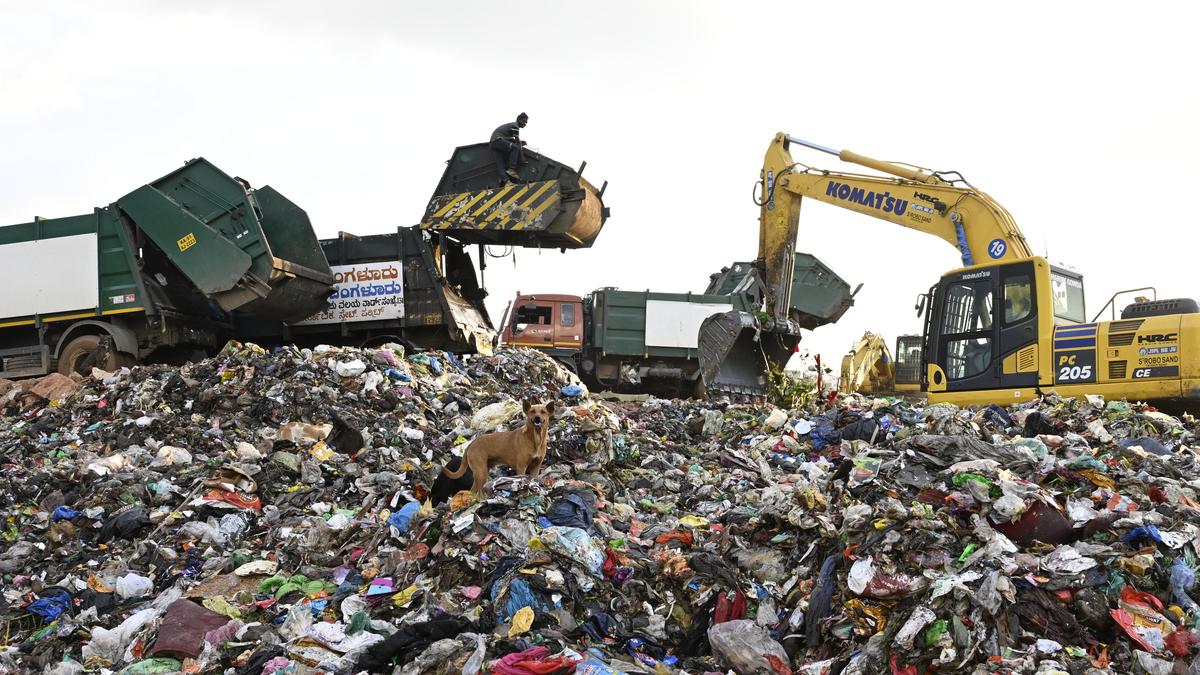
Bengaluru's waste management agency has reported a significant improvement in waste segregation at the source, leading to a marked increase in the collection of low-value plastic waste, also known as Refuse Derived Fuel (RDF). This success is attributed to extensive public awareness campaigns. The city is currently collecting between 350 to 400 tonnes of RDF daily.
A portion of this RDF, between 100 to 150 tonnes, is transported daily to a waste-to-energy facility near Bidadi. Further diversifying its waste utilization strategy, Bengaluru Solid Waste Management Limited (BSWML) has secured a crucial agreement with Dalmia Cement Limited. This pact involves the daily transport of an additional 200 to 250 tonnes of RDF to the company's cement manufacturing unit in Kadapa, Andhra Pradesh.
This new arrangement, which commenced on Monday with the dispatch of 160 tonnes of RDF, is expected to significantly reduce the strain on the city's landfills. Dalmia Cement has committed to accepting up to 1,000 tonnes of RDF per day. Beyond environmental benefits, BSWML will receive financial gains through Extended Producer Responsibility (EPR) credits generated from the RDF utilization.