Home / Environment / Bengaluru's Sewage Overhaul: STPs Get Major Upgrade
Bengaluru's Sewage Overhaul: STPs Get Major Upgrade
25 Mar
Summary
- Twenty existing sewage treatment plants are being upgraded to meet stricter National Green Tribunal norms.
- Rehabilitation includes adding a tertiary treatment stage with disc filters to improve water quality.
- New STPs are being built to cater to growing urban settlements, expected by 2028.
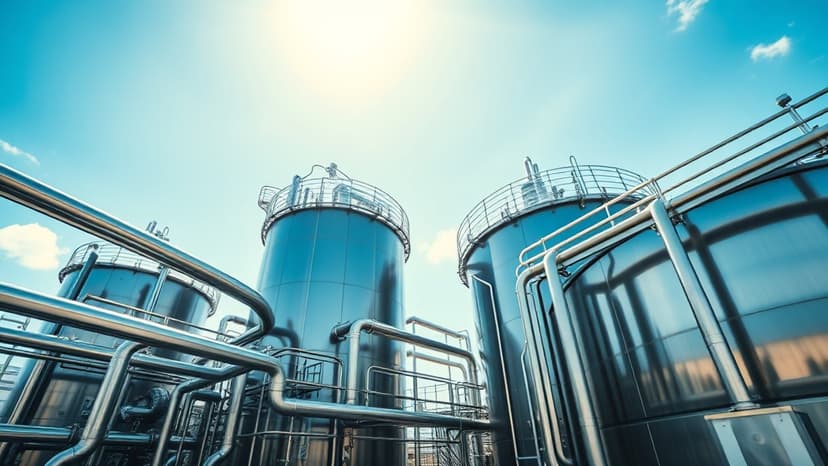
Bengaluru's Water Supply and Sewerage Board (BWSSB) is enhancing its sewage treatment capacity through the rehabilitation of 20 existing STPs. These upgrades are vital for meeting the National Green Tribunal's stricter environmental standards set in 2018, which mandate significantly lower levels for BOD, COD, nitrogen, and phosphorus. The rehabilitation projects, costing approximately Rs 33.4 crore for seven plants, are scheduled for completion by the end of 2026.
These efforts involve modernizing old infrastructure and adding a tertiary treatment stage, including disc filters, to ensure higher quality treated water. This is being done in phases for brownfield projects without shutting down operations. Meanwhile, BWSSB is also constructing new STPs in rapidly developing areas, with capacities ranging from 4 MLD to 13 MLD, to address the growing sewage treatment demand.
These new plants, a mix of projects costing between Rs 10 crore and Rs 39 crore each, are projected to be operational by 2028. As of March 2026, Bengaluru generates about 1,480 million litres of sewage daily, with a current treatment capacity of 1,212.7 MLD across 34 STPs, highlighting the need for these expansions and upgrades to manage the city's estimated 1.5 crore urban population.