Home / Environment / Bengaluru Lakes Dying: Invasive Species Outcompete Natives
Bengaluru Lakes Dying: Invasive Species Outcompete Natives
3 Dec, 2025
Summary
- Lakes, once man-made water-harvesting structures, now face threats from pollution.
- Invasive species like tilapia and water hyacinth are displacing native flora and fauna.
- Commercial fishing introduces non-native fish, disrupting the delicate lake ecosystem.
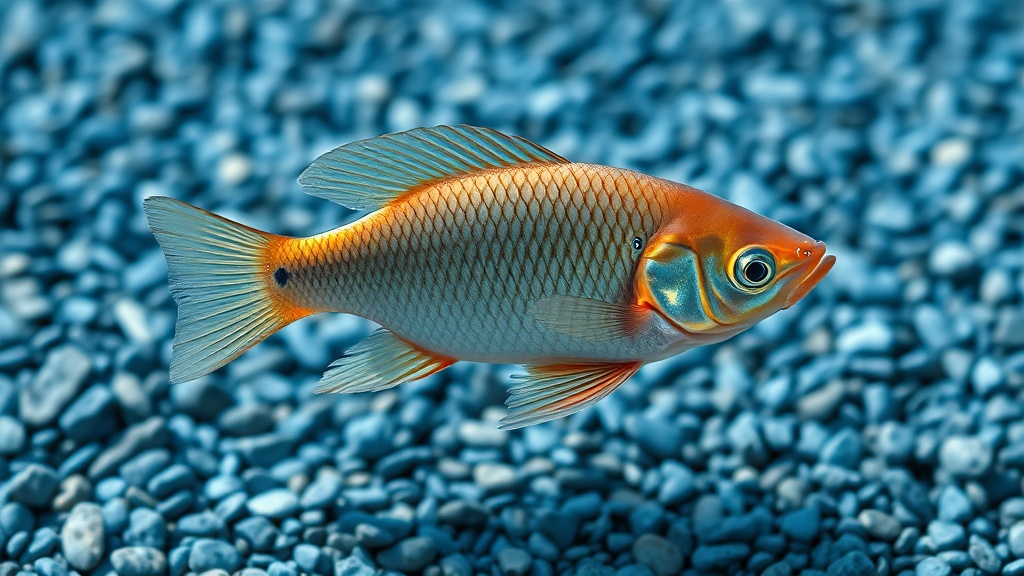
Bengaluru's lakes, originally constructed centuries ago as water-harvesting systems, are now critically endangered due to ecological disruption. These man-made structures, designed with varied depths to support diverse plant and aquatic life, are being altered by dredging and continuous wastewater contamination. This has led to the proliferation of invasive species, significantly impacting the native biodiversity that once thrived.
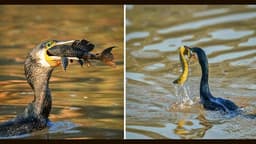
The invasion of species like water hyacinth chokes out traditional aquatic vegetation, blocking sunlight and disrupting oxygen exchange essential for aquatic life. Furthermore, the introduction of commercially valuable fish, such as tilapia and African catfish, via commercial fishing practices, poses a grave threat. These resilient, non-native species outcompete native fish and prey on their young, leading to a drastic reduction in local populations.