Home / Environment / Bengal's Lightning Deaths Soar Amid Climate Crisis
Bengal's Lightning Deaths Soar Amid Climate Crisis
19 Feb
Summary
- Over 139 deaths reported in 2025 due to lightning in Bengal.
- Climate change is linked to increased frequency of intense thunderstorms.
- Last-mile communication and community awareness are critical for prevention.
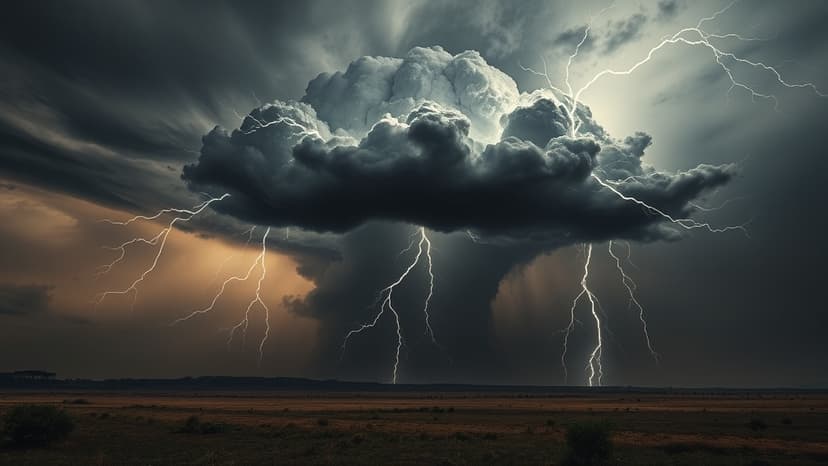
Climate change is driving a significant increase in lightning fatalities across Bengal, with over 139 deaths recorded in 2025 and 1,459 between 2018 and 2023. This makes Bengal a major lightning hotspot within India. Disaster management officials are concerned by the persistent high toll, despite improvements in storm and flood disaster management.
Scientists explain that rising global temperatures and warming water bodies are destabilizing the atmosphere, leading to more intense thunderstorms and frequent lightning. Nationally, lightning accounts for over 35% of deaths from natural hazards.
Effective prevention requires overcoming challenges in timely lightning alerts reaching those in fields, on roads, or near water. While infrastructure and forecasting have advanced, strengthening last-mile communication and community awareness is vital. Bengal's evolving risk profile includes more frequent heatwaves, hailstorms, and extreme rainfall events.