Home / Environment / Belgium Dims Lights for Wildlife
Belgium Dims Lights for Wildlife
11 Feb
Summary
- 75 streetlights removed in Wallonia to reduce light pollution.
- Project aims to protect insects, birds, and amphibians from artificial light.
- Local debate balances human safety concerns with ecological benefits.
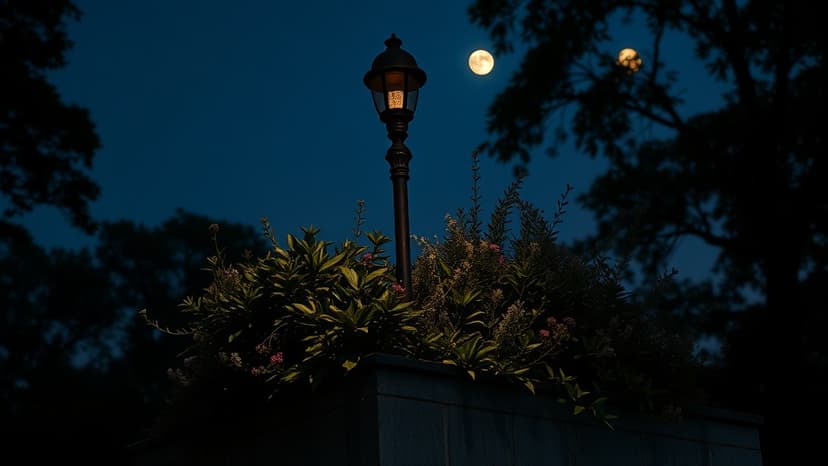
In a unique initiative to combat severe light pollution, Belgium is systematically removing 75 streetlights in the Wallonia region. This radical project, initiated in 2021, targets unnecessary lighting within a protected national park near the French border, an area with minimal buildings and proximity to ecologically valuable Natura 2000 sites. The €308,000 investment by the national park is dedicated to restoring night-time darkness, treating it as an environmental restoration effort comparable to habitat improvement.
While the project has garnered support for its ecological aims, it faces local apprehension. Residents like André Detournay voiced concerns about personal safety and the perceived need for street lighting in rural areas. Project leader Nicolas Goethals emphasizes that ensuring public safety remains paramount, but research suggests that street lighting's impact on crime and road safety is not always conclusive. Efforts are underway to educate the public through local talks and night walks, advocating for personal lighting solutions like vests and torches for night travel.
The negative impacts of light pollution on biodiversity, including insects, amphibians, and birds, are well-documented, with experts likening it to habitat loss. This initiative in Belgium is part of a growing global movement to reduce artificial light at night. Similar efforts are seen in France and the UK, with international guidance available for creating dark corridors for wildlife. The project aims to establish a foundation for extensive darkness infrastructure across Europe, potentially extending beyond its initial scope.