Home / Environment / Belgium's Bee Sanctuary: Rescuing the Endangered Dark Bee
Belgium's Bee Sanctuary: Rescuing the Endangered Dark Bee
23 Feb
Summary
- Virgin queens mate in Belgium to preserve endangered dark bee genetics.
- Conservationists are actively breeding dark bees to prevent subspecies extinction.
- Native dark bees offer resilience against climate and disease compared to hybrids.
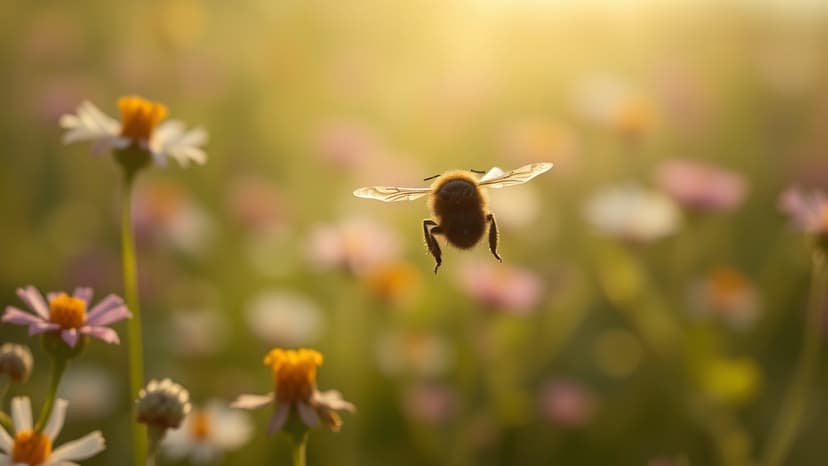
In Chimay, Belgium, an annual event sees 1,000 virgin queens engage in a "wedding flight" to mate with drones, a critical process for preserving the endangered European dark bee (Apis mellifera mellifera).
This initiative, ongoing since 2000, allows beekeepers from the Netherlands, France, and Germany to collect fertilized queens, bolstering dark bee populations in their home countries. The dark bee is the native subspecies evolved for Europe's climate and flora, distinct from hybridized honeybees.
Hubert Guerriat, a biologist and beekeeper, has been instrumental in this conservation effort, establishing Chimay as a sanctuary. Protected zones now exclusively permit dark bee keeping, aiming to reverse the decline caused by the mid-20th century import of hybrid bees for higher honey yields.
Beekeepers like Isabelle Noé have embraced dark bees, finding them more resilient with fewer losses and lower winter feeding needs. While producing less honey, their "miel de noire" commands a special market, alongside other bee-derived products.
Conservationists are also reintroducing dark bees into forests, using log hives to replicate their natural nesting habits. This dual approach of farmed and wild population support aims to strengthen the gene pool and contribute to forest ecosystem resilience.
Resistant to cold, humidity, and climate shifts, dark bees have proven more robust during adverse weather conditions, like the rainy summer of 2024, compared to hybrid varieties. Their resilience may also offer better protection against threats like the Asian hornet.