Home / Environment / Beijing's Air Miracle: A Replicable Clean Air Blueprint
Beijing's Air Miracle: A Replicable Clean Air Blueprint
9 Dec, 2025
Summary
- Beijing drastically cut air pollution in a decade through a comprehensive policy framework.
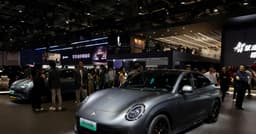
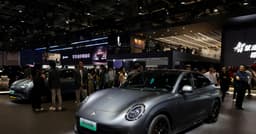
- Electric vehicle adoption surged with incentives for plates and public transport.
- Significant investment was made, with spending on air pollution control rising sharply.

Beijing has transformed from one of the world's most polluted cities to an example of clean air through a robust policy framework. This success, achieved over the last decade despite rapid economic growth, offers a replicable blueprint for cities globally.
The strategy included urgent measures before the 2008 Olympics, weekly air quality reports, and tracking pollution at its source. A pivotal five-year action plan launched in 2013 set targets and tightened enforcement, with an initial focus on the transport sector.
This led to widespread adoption of electric vehicles, especially for public transport, and incentives for electric passenger cars. Beyond transport, efforts targeted coal-fired boilers, industrial restructuring, and dust pollution. These comprehensive initiatives required significant financial commitment, with spending on air pollution control escalating dramatically.