Home / Environment / Beavers: West's Newest Allies Against Drought
Beavers: West's Newest Allies Against Drought
19 Oct
Summary
- Beavers are being recruited to build dams, slowing water and creating habitats.
- Human-made structures encourage beavers to thrive in drought-stricken areas.
- Beaver dams help ecosystems become more resilient to climate change impacts.
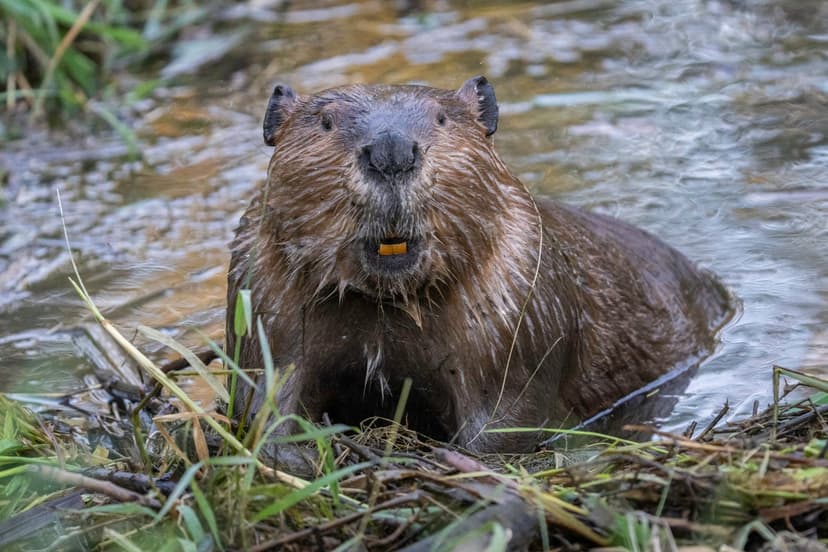
In the face of escalating drought conditions across the western United States, beavers are emerging as unexpected heroes. Conservation organizations and government bodies are actively encouraging beaver populations by constructing "starter homes" – simple wooden and brush structures – in critical watersheds. These initiatives aim to leverage the natural dam-building abilities of beavers to combat the region's increasing dryness, a trend exacerbated by climate change and overuse of water resources.
Beaver dams play a pivotal role in ecosystem health. They effectively slow down moving water, promoting consistent, year-round water availability and creating essential habitats for native fish species. Furthermore, these natural barriers can act as effective firebreaks, slowing the spread of wildfires. The presence of thriving beaver populations is seen as a key strategy to make western ecosystems more resilient to environmental challenges.
Efforts to reestablish beavers include initiatives like those in southwest Wyoming, where landowners are collaborating with conservationists. Projects involve building approximately 500 "starter homes" near existing beaver families to encourage them to expand their dam-building activities. This approach seeks to cultivate robust beaver populations on both public and private lands, recognizing their unique capacity to aid in the battle against climate change.
While the benefits are significant, managing beaver dams can also present challenges, particularly concerning potential flooding of homes and infrastructure. To address this, programs like Utah's beaver relocation initiative are in operation. These programs move unwanted beavers to suitable remote streams, utilizing nonlethal methods such as live-trap cages and specialized devices like pond levelers to mitigate conflicts and ensure coexistence.


