Home / Environment / Coal Mine Expansion Threatens Waterways
Coal Mine Expansion Threatens Waterways
1 Feb
Summary
- Proposed mine expansion may leach selenium into rivers.
- Selenium pollution poses risks to fish and human health.
- Water quality concerns persist despite company efforts.
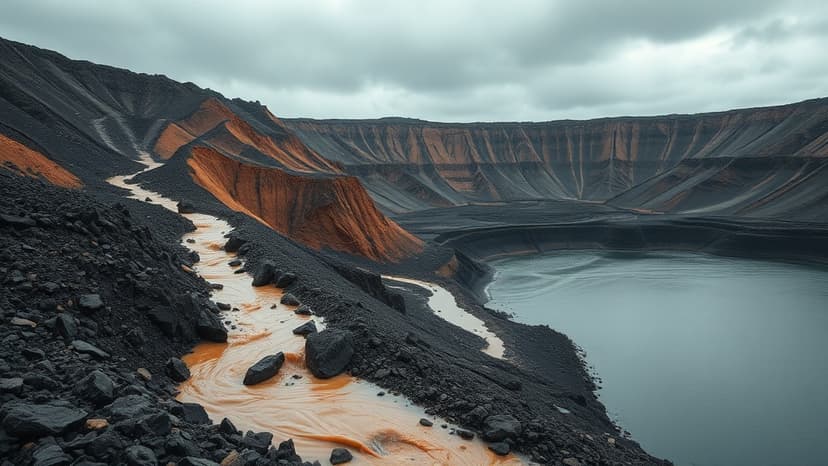
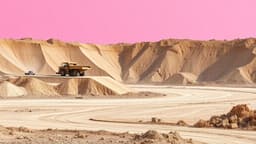
Concerns are mounting over the proposed expansion of the Fording River coal mine in British Columbia, operated by Elk Valley Resources Operations Limited. The project, which involves removing 280 million metric tons of coal from a 3,000-acre area, raises significant worries about downstream water pollution in the Columbia River Basin.
The primary concern stems from the potential leaching of selenium, a naturally occurring metalloid, from the 3 billion cubic meters of "waste rock" to be excavated. Rainfall can mobilize selenium, contaminating local streams, the Elk River, and Lake Koocanusa. Elevated selenium levels are detrimental to fish health and can cause serious health issues in humans.
Despite the mining company's investments in water treatment technologies, selenium concentrations in parts of the watershed continue to surpass safety guidelines set by the U.S. Environmental Protection Agency. Indigenous groups, like the Ktunaxa National Council, have voiced objections, citing existing water quality non-compliances that could be exacerbated by the expansion.
The environmental assessment process for the project is ongoing and expected to conclude by spring 2028. This process will consider the cumulative effects of the expansion and inform decisions by both provincial and federal environmental agencies. Discussions around selenium standards for Lake Koocanusa have also involved U.S. and Canadian authorities, as well as local U.S. entities, with ongoing legal disputes regarding these standards.