

Home / Environment / Battery Boom Sparks Community Firestorms
Battery Boom Sparks Community Firestorms
23 Apr
Summary
- Community opposition rises against large battery installations due to fire risks.
- Climate talks in Berlin are paving the way for COP31 summit in Turkey.
- Geopolitical energy shocks accelerate clean energy transitions globally.
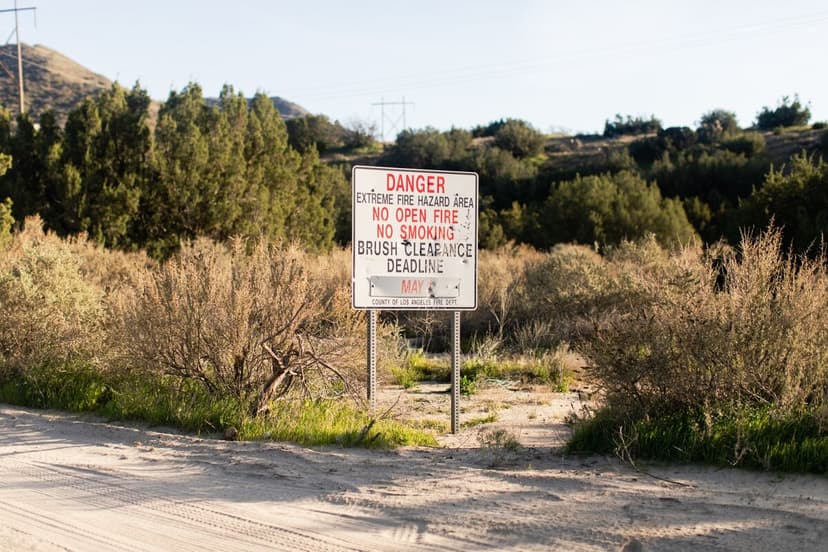
The United States is experiencing a significant boom in battery installations, vital for grid stability amidst increasing electricity demand and extreme weather. However, developers are encountering substantial local resistance, primarily driven by fears of lithium-ion storage farms igniting.
As these facilities become larger and are situated nearer to residential areas or in fire-prone zones, communities are voicing strong objections. This poses a challenge for states aiming to meet renewable energy targets. For example, in Acton, California, residents are protesting a proposed 1.9 billion dollar battery project due to concerns about fire risk and water contamination.
Experts suggest that improved planning processes, similar to those used for wind and solar farms, could help resolve siting conflicts. This involves designating specific zones for such projects where impacts can be minimized.
Concurrently, climate negotiators convened in Berlin for the Petersberg Climate Dialogue, initiating a seven-month preparation period for COP31 in Turkey. The ongoing global energy crisis, exacerbated by conflicts, is highlighting the imperative of transitioning to clean energy sources.
Disruptions in fossil fuel supplies are driving increased demand for clean energy technologies worldwide. Manufacturers are observing a heightened global focus on green transitions, with advancements in solar, wind, and battery costs enabling countries to pursue energy self-sufficiency.
In Vietnam, Hanoi is adjusting its plan to ban gasoline-powered motorbikes, moving from a broad ban to more localized restrictions due to insufficient charging infrastructure and public transport alternatives.
