Home / Environment / Baltic Sea Dries Up: Climate Change's Stark Warning
Baltic Sea Dries Up: Climate Change's Stark Warning
23 Feb
Summary
- Baltic Sea lost 275 billion tonnes of water in early February.
- Water level dropped 67 cm, lowest since 1886.
- Climate change driving extreme weather causing water loss.
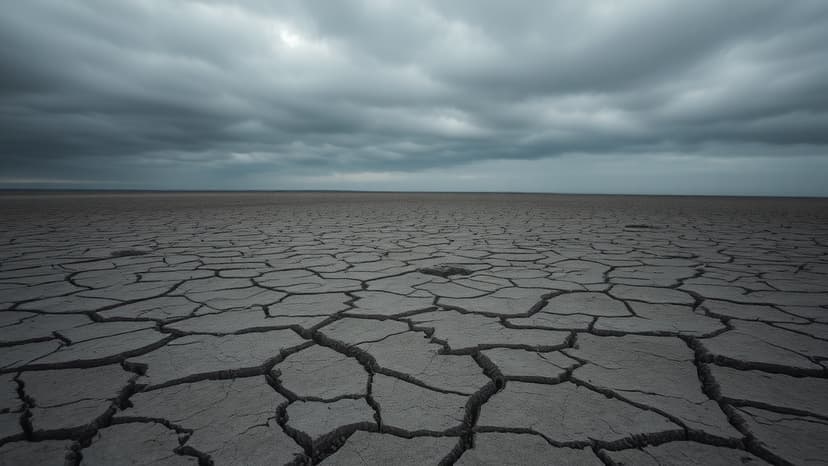
In early February, the Baltic Sea experienced an unprecedented decrease in water level, losing 275 billion tonnes. This alarming event marked the lowest level recorded since 1886, with a drop of 67 cm.
Experts attribute this significant water loss to atmospheric factors driven by climate change. Persistent strong easterly winds since January have pushed water masses through the Danish Straits into the North Sea, causing levels to recede throughout the Baltic basin.
This phenomenon is directly linked to broader climate change impacts, including disturbances in the polar vortex and jet stream. These disruptions lead to extreme weather events like persistent high-pressure zones, which are responsible for the scale of water displacement observed.
Beyond the immediate water level drop, climate change is altering Arctic ecosystems. Warming temperatures, occurring four times faster than the global average, are causing glacial melt, sea ice loss, and changes in water turbidity and salinity.
The Baltic Sea, though historically polluted, is seeing some recovery due to policy changes. However, its unique hydrology means self-purification takes decades. The sea faces ongoing pressure from climate change, impacting species like cod, which rely on specific bottom water conditions now threatened by warming and deoxygenation.