Home / Environment / Baltic Sea's Dead Zones Persist Despite Decades of Effort
Baltic Sea's Dead Zones Persist Despite Decades of Effort
24 Feb
Summary
- Decades of conservation efforts show no significant improvement in Baltic Sea quality.
- Nutrient pollution from human activities causes eutrophication and deadly 'dead zones'.
- Climate change exacerbates oxygen depletion, worsening the Baltic Sea's condition.
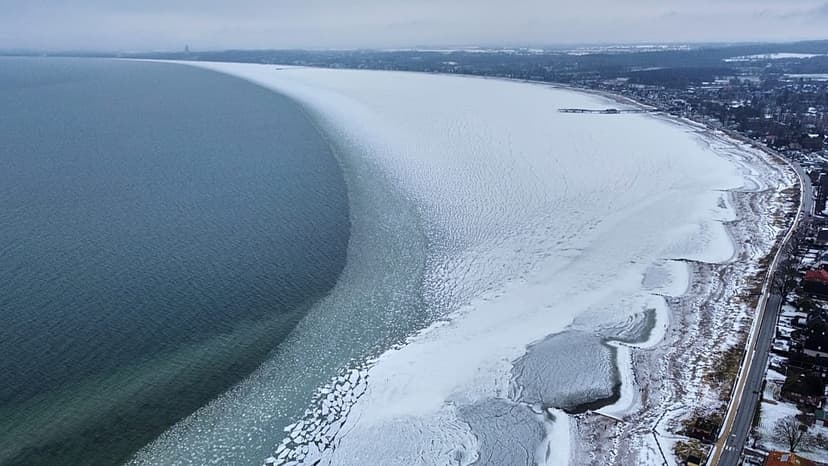
The Baltic Sea faces a critical environmental crisis, showing no signs of recovery despite over fifty years of conservation efforts. This vital marine ecosystem has become one of the world's largest 'dead zones' due to a severe combination of climate change, rampant algae blooms, and internal nutrient cycles. Human activities, particularly agricultural runoff, untreated sewage, and industrial waste, have introduced excessive nutrients like nitrogen and phosphorus, causing eutrophication.
Eutrophication triggers explosive algae growth, which, upon decomposition, consumes oxygen and lowers seawater pH. This process creates "dead zones" where aquatic life cannot survive. While legislation and initiatives like the Baltic Sea Action Plan have reduced nutrient loads by up to 50% for phosphorus and 30% for nitrogen since the 1980s, these improvements haven't translated to better surface water quality. The sea's unique brackish, stratified nature hinders oxygen distribution, making recovery difficult.
Climate change further complicates recovery. Rising water temperatures, observed in both surface and deeper layers, reduce oxygen-carrying capacity. Warmer water also accelerates oxygen consumption, increasing the likelihood and severity of dead zones. The Baltic Sea carries a significant "nutrient debt" from past decades, where released phosphorus from sediments under low-oxygen conditions fuels a continuous cycle of eutrophication.
To address this, researchers propose enhanced nutrient reduction, restoration of natural coastal filters, and nature-based solutions like promoting seagrass beds and mussel cultivation. Long-term monitoring with modern sensor systems is also crucial for early detection of setbacks and improvements, indicating a need for comprehensive, sustained management strategies.