Home / Environment / Avian Flu Ravages Marine Life in California
Avian Flu Ravages Marine Life in California
14 Mar
Summary
- Avian flu has spread to sea lions and sea otters, with 30 elephant seals dead.
- The virus is detected along the coastline north and south of Año Nuevo State Park.
- Public risk is low, but direct contact with sick animals increases likelihood of infection.
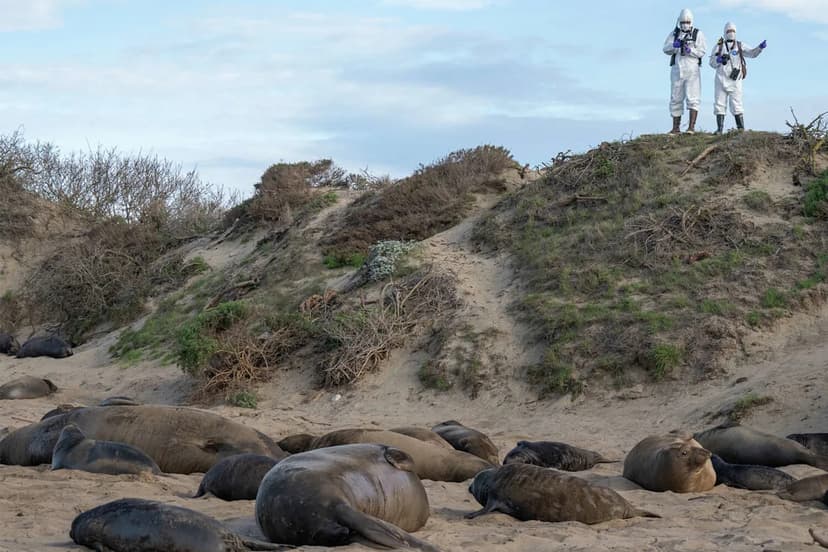
A deadly outbreak of avian flu, identified as HPAI H5N1 (A3 genotype), has significantly impacted marine mammal populations along California's coast. Initially causing the deaths of 30 elephant seals at Año Nuevo State Park and leading to its partial closure and canceled tours, the virus has since spread. Wildlife experts confirmed infections in a California sea lion and a southern sea otter, with cases also detected on public beaches north and south of the affected park.
The virus, first detected in Eurasia in 2022, marks its first U.S. Pacific coast detection. While the risk to humans is deemed very low, direct exposure to sick animals increases the chance of contraction, prompting health officials to advise the public and their pets to maintain distance from any stranded or deceased wildlife. The outbreak's mortality rate for elephant seals this year is approximately four times higher than the previous year, with affected individuals including pups and adult males.
Despite the concerning spread, researchers noted that 80% of adult female elephant seals had already migrated, mitigating the full impact. Some symptomatic elephant seal pups have shown signs of recovery. Rescue efforts for elephant seals have been temporarily halted out of caution, while experts work to understand risks to staff and update safety protocols. Ongoing monitoring continues to track the virus's spread among various species and potential transmission to land animals.