Home / Environment / Autumn Foliage Shift Aids in Identifying Invasive Knotweed
Autumn Foliage Shift Aids in Identifying Invasive Knotweed
10 Oct, 2025
Summary
- Japanese knotweed undergoes dramatic seasonal changes
- Leaves turn yellow and orange, then wilt and fall off
- Stems also transform from green to brown and hollow
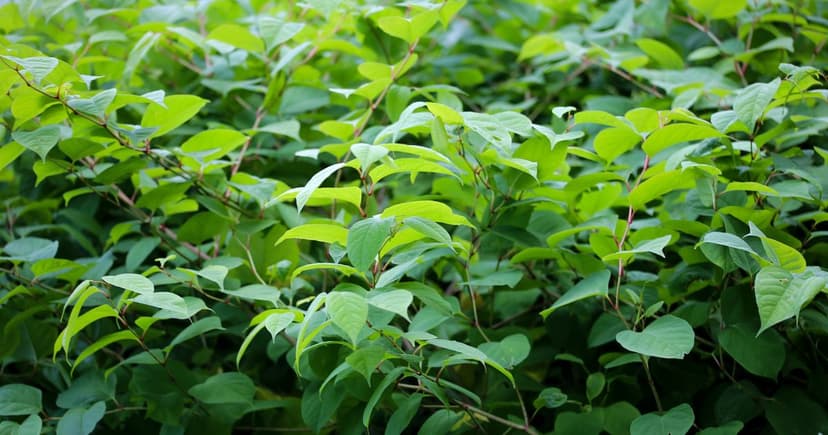
According to the article, as autumn arrives in 2025, the invasive Japanese knotweed (Fallopia japonica) is undergoing significant changes that make it easier to identify. The most noticeable transformation occurs in the plant's foliage, which transitions from summer green to shades of yellow and orange. By September and October, these leaves begin to wilt and fall, creating a dense layer of foliage on the ground.
In addition to the changes in the leaves, the plant's stems also transform. The once green, speckled stems turn brown and remain hollow, similar to bamboo. As the leaves fall away, these brown canes become more distinguishable, standing out starkly against the autumn landscape. This combination of yellowing leaves, wilting foliage, and prominent brown stems provides a clear indication of Japanese knotweed during the autumn months, aiding in its identification and management.
Despite being most visible during the flowering season, this aggressive plant can be spotted even in the colder months, ready to wreak havoc on gardens if left unchecked. With its relentless drive to reproduce, Japanese knotweed is currently affecting over 1.5 million households across the UK, either directly or through neighboring properties. Even as the stems start to die back in autumn, the underground system remains primed for regrowth.


