

Home / Environment / Austria's Water Woes: Peak Water Threatens Power
Austria's Water Woes: Peak Water Threatens Power
12 Apr
Summary
- Austria faces 'peak water' as glaciers shrink, impacting hydropower generation.
- Verbund AG's credit rating downgraded due to weaker hydro conditions.
- New legislation aims to accelerate renewable energy expansion.
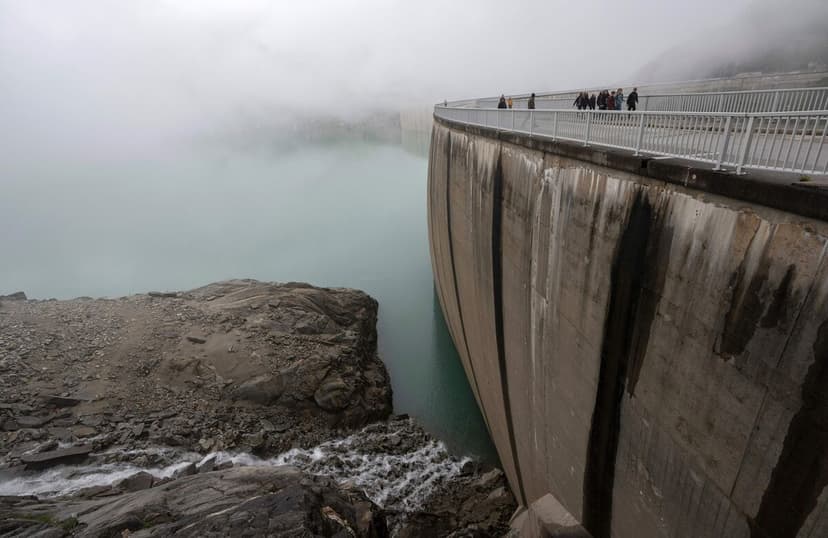
Austria's long-standing economic model, heavily dependent on hydropower generated from Alpine water, is facing a significant structural shift. Climate change is causing Alpine glaciers to shrink, approaching a critical point known as "peak water." This phenomenon means that glaciers will no longer be able to sustain current levels of river flow and electricity generation.
Scientists, including glaciologist Francesca Pellicciotti, confirm that glacier mass loss is a consensus, predicting a future reduction in water availability for hydropower. This raises concerns in Vienna about relying on hydropower for energy security, especially amidst geopolitical disruptions affecting imported fuels. Verbund AG, Austria's second-largest company, generates about 90% of its electricity from hydropower, making its operations and financial standing vulnerable.
Financial indicators already reflect these climate risks. S&P Global Ratings downgraded Verbund to A from A+, citing weaker hydro conditions and declining generation prospects. The company's generation coefficient has fallen below normal levels, impacting its ability to generate power and potentially squeezing margins despite accelerated investment in renewables.
To address these challenges, Austria is accelerating its energy diversification. The proposed Renewable Energy Expansion Acceleration Act (EABG) aims to streamline approvals for wind, solar, and transmission projects. This legislation seeks to create a faster track for renewable energy infrastructure by establishing uniform nationwide procedures and a single decision-making authority to overcome legal disputes.
Verbund is actively adapting by diversifying into wind and solar, expanding energy storage, and improving efficiency at existing plants. The utility is also broadening its geographic presence in neighboring European markets to reduce exposure to local hydrological conditions. This strategic pivot aims to build a more resilient energy mix, lessening the dependency on hydropower and navigating the uncertainties of peak water.
