
Home / Environment / Australia's Biobanks: Saving Life from Extinction
Australia's Biobanks: Saving Life from Extinction
4 May
Summary
- Biobanks store native seeds and threatened animal cells for extinction prevention.
- Golden kelp is preserved to restore vital Great Southern Reef ecosystems.
- Oysters and seagrass restoration projects combat habitat loss in Australia.
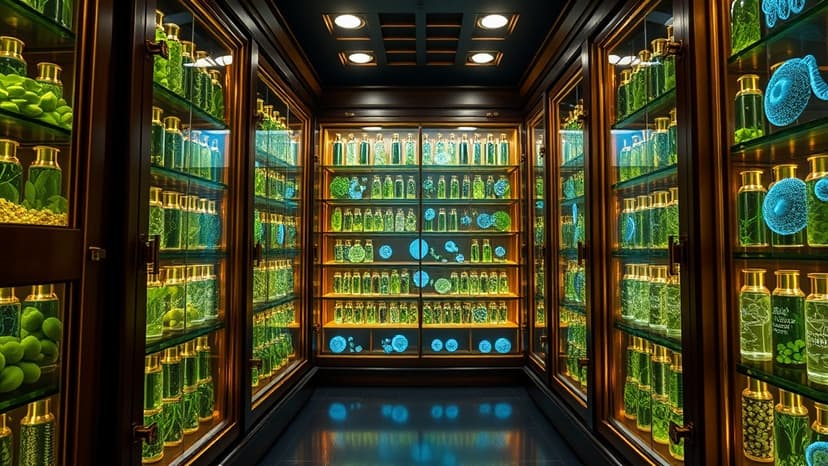
Australia is utilizing biobanks as critical 'living libraries' to safeguard its unique biodiversity against extinction. These facilities store a wide range of biological material, including native plant seeds and cells from threatened animal species. This initiative is crucial for restoring ecosystems under environmental pressure.
A significant focus is on golden kelp, a foundation species for the Great Southern Reef, which is vulnerable to marine heatwaves. Deakin University's biobank successfully preserves golden kelp, enabling its replanting in areas like Port Phillip Bay. Restoration efforts also include native oysters, with less than 1% of historical reefs remaining, and seagrass meadows vital for marine life and carbon capture.
These efforts are vital as many Australian marine habitats face severe decline due to factors like warming waters, overgrazing, and human activities. Scientists are researching species genetics and resilience to support future-proofing initiatives. The ongoing work aims to achieve large-scale restoration, addressing a global challenge in biodiversity conservation.
