Home / Environment / Nature Fights Back: Animals Outsmart Cane Toads
Nature Fights Back: Animals Outsmart Cane Toads
12 Jul
Summary
- Native animals in Australia are adapting to eat poisonous cane toads.
- Rakali water rats precisely remove organs, avoiding toxic parts.
- Black kites and meat ants also developed strategies to consume toads.
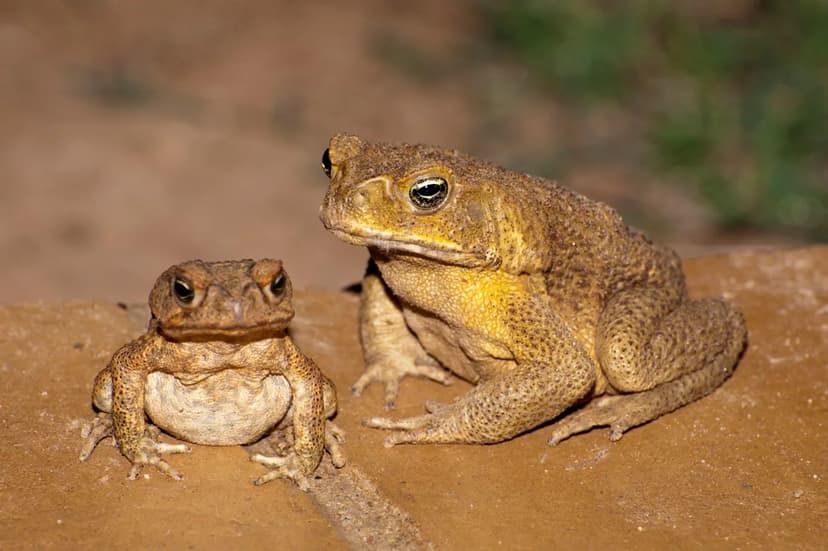
Australia has been combating invasive cane toads since 1950, with the population now estimated at 200 million. Efforts using disease, fungi, and traps have yielded limited success. However, native animals are demonstrating remarkable adaptation. Rakali, Australia's native water rat, has developed a method to consume cane toads by carefully avoiding their toxic gallbladder and eating the viable organs.
This natural adaptation is a significant development in controlling the invasive species. Black kites have learned to flip the toads to access edible parts, and meat ants can eliminate a high percentage of young toads. These developments offer a promising form of homegrown biological control, protecting native biodiversity and ecosystems.
While these natural predators are effective, the cane toad problem is far from solved, with the invasion still widespread. Conservationists are now studying these animal behaviors to better protect the habitats crucial for these adaptations. Scientific monitoring remains vital to understand these evolving ecological interactions.


