Home / Environment / Arctic Puffins Face Silent Collapse
Arctic Puffins Face Silent Collapse
28 Oct
Summary
- Atlantic puffin populations declined by 70% since 1975.
- Rising sea temperatures and melting glaciers drive puffin decline.
- Conservation projects offer hope for vulnerable puffin colonies.
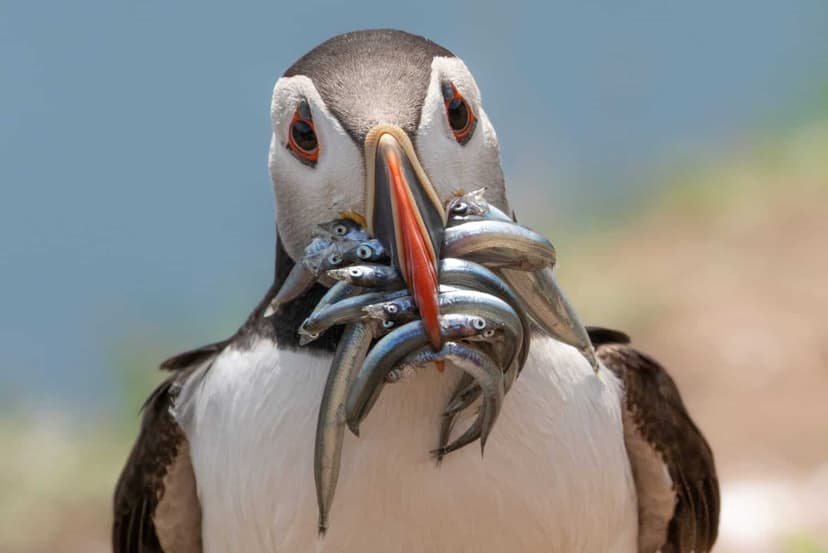
Atlantic puffins, known for their commitment and resilience, are now facing a severe crisis. Recent data reveals a staggering 70% population decline since 1975, a much steeper drop than previously estimated. While historical hunting contributed, the primary driver is now identified as rising sea temperatures and extensive glacier melt, particularly impacting Iceland, which hosts a significant portion of the global population.
Puffins serve as crucial bioindicators, their sensitivity to environmental changes acting as an early warning for climate change impacts. Their declining numbers signal broader ecosystem distress related to warming waters and altered Arctic conditions. These ecological sentinels' plight highlights the vulnerability of polar regions.
Hope is emerging through dedicated conservation initiatives. Project Puffin, established in 1973, employs techniques like chick translocation and hand-rearing to aid vulnerable populations. In Iceland, community-led 'puffling patrols' actively monitor and protect nesting sites, assisting dozens of pufflings annually. These efforts aim to secure a future for the Atlantic puffin.


