Home / Environment / Asia's Monsoon Fury: Homes Lost, Lives Endangered
Asia's Monsoon Fury: Homes Lost, Lives Endangered
28 Jul
Summary
- Torrential rains and floods killed at least 31 in Afghanistan last week.
- Bangladesh recorded over 412mm of rain in 24 hours, destroying homes.
- Extreme rainfall across Asia is exacerbated by climate change impacts.
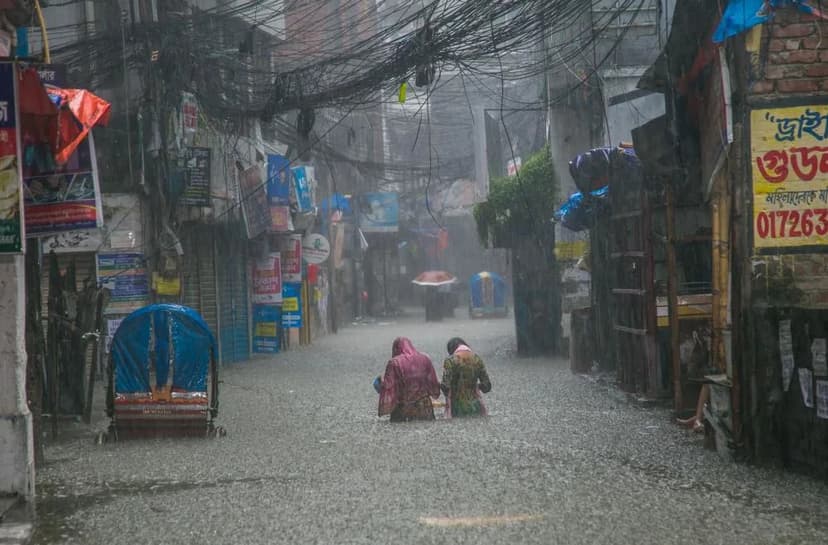
Torrential rains and flash floods have recently impacted numerous communities across Asia, causing significant loss of life and destruction. In Afghanistan, at least 31 people perished and hundreds went missing following days of relentless rainfall that destroyed homes built from mud and stone. Neighboring countries have experienced similar devastation, with India, Bangladesh, and Pakistan facing chaos from erratic monsoon downpours.
Bangladesh experienced a record 412.3mm of rainfall in 24 hours in early July, leading to flash floods that swept through districts like Banshkhali. Residents lost their homes, belongings, crops, and poultry, forcing many to seek refuge in crowded conditions and rely on food assistance. The unsanitary conditions are raising concerns about disease outbreaks, with one child already developing a fever.
Elsewhere in the region, South Korea has seen swings between heatwaves and heavy downpours, while Japan and Vietnam have experienced landslides. China has faced extreme rainfall since April, with over 600 rivers exceeding warning levels. In Chongqing, a landslide killed at least 11 people, and Gansu province saw 10 deaths from a flash flood at a camping site.
Typhoons have further exacerbated flood conditions, prompting large-scale evacuations. Forecasters predict continued wet weather for Northern China, with higher-than-average rainfall and more typhoons expected. Taiwan also reported significant agricultural losses due to heavy rainfall, with Taipei recording its highest monthly rainfall in over a century.
Climate scientists unequivocally link this extreme weather to human-caused climate change. Rising global temperatures, driven by the burning of fossil fuels, are intensifying heat, humidity, and drought, leading to more frequent and severe floods in monsoon regions. The Intergovernmental Panel on Climate Change and World Weather Attribution scientists have warned that extreme rainfall is being "supercharged" in Southeast Asia.
Experts emphasize that more intense rainfall is an expected consequence of global warming, as a warmer atmosphere holds more water vapor. This phenomenon drives more intense thunderstorms and harder rains. Humanitarian organizations are providing aid and urging governments to invest in local preparedness and mitigation strategies to reduce suffering before climate-related disasters strike.


