Home / Environment / Asia's Climate Crisis: Devastation, Debt, and Little Aid
Asia's Climate Crisis: Devastation, Debt, and Little Aid
17 Feb
Summary
- Asia loses over $75 billion yearly due to climate events.
- Only a small fraction of climate adaptation funds reach Asia.
- Developing nations struggle to secure funding for climate resilience.
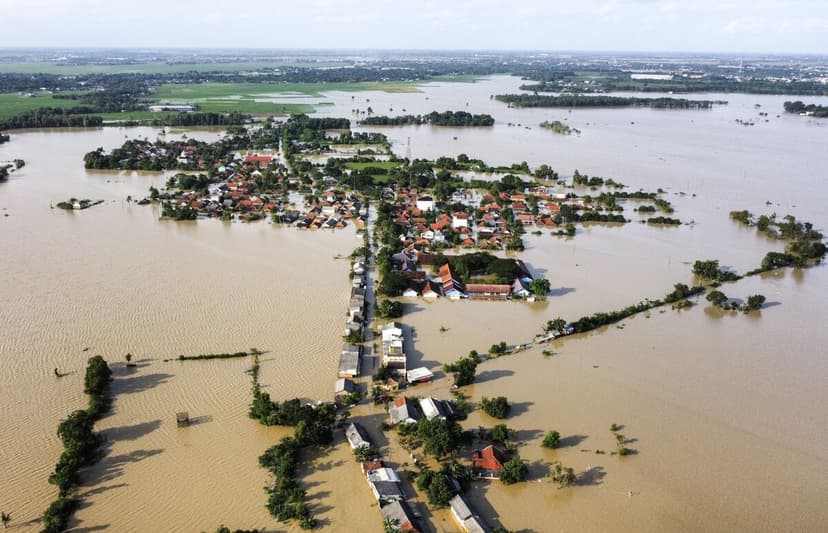
South and Southeast Asia are disproportionately affected by extreme weather events, with disasters causing significant loss of life and economic damage. Between 2020 and 2023, Asia incurred over $75 billion in direct costs annually from climate-related events, accounting for 40% of global losses. Despite this, the continent receives a minimal portion of available climate adaptation finance.
Efforts to secure funding for climate resilience projects, such as seawalls and improved infrastructure, face significant challenges. Multilateral development banks have insufficient funds, and private capital is hesitant due to the complexity and novelty of these projects, particularly in densely populated, at-risk areas. Institutions often lack the capacity to prepare the necessary financial proposals.
Nations can improve their access to funds by pooling resources and forming collectives, similar to small island states. Regional coordination mechanisms, like those proposed by ASEAN, could enable shared catastrophic risk management. Leveraging expertise from financial centers and international partnerships, such as those seen with Japan's resilience bonds or the Quad's potential role in regional resilience, is also crucial.