Home / Environment / NZ Races to Stop Invasive Hornet Threat to Bees
NZ Races to Stop Invasive Hornet Threat to Bees
1 Dec
Summary
- Asian hornets pose a significant threat to New Zealand's bee population.
- Invasive hornets were first detected in Auckland in 2025.
- A narrow window exists to curb the spread of these destructive insects.
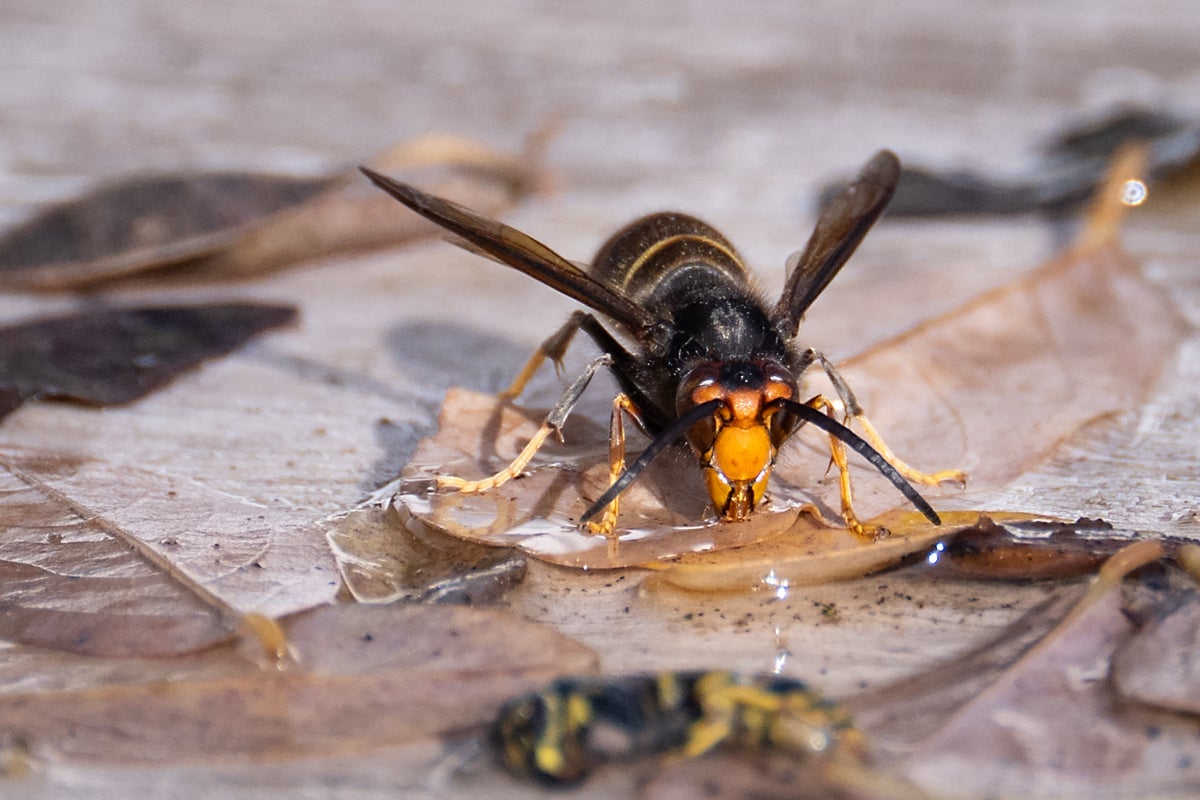
New Zealand is confronting an escalating threat from the invasive Asian yellow-legged hornet, which was first detected in Auckland in 2025. These hornets exhibit a voracious appetite, with bees and other pollinators comprising nearly 70% of their diet. This poses a significant risk of competition with native insects and birds for food resources, potentially disrupting the delicate ecosystem. Experts warn that New Zealand has a rapidly closing window to eradicate this pest.
The Ministry for Primary Industries has confirmed the discovery of numerous queen hornets and active nests, indicating a growing presence. Studies highlight a single hornet's capacity to prey on dozens of bees daily. The potential impact is severe, as Asian hornets have previously devastated beehives in parts of Europe. Ecologists caution that failure to act swiftly could lead to a costly and difficult-to-manage incursion, or the pest becoming a permanent resident.
Biosecurity New Zealand emphasizes the urgency for increased search efforts, expanding detection areas around nests and relying on public assistance. While current protocols align with international guidelines, concerns remain that new nests could appear far from known sites. Expanding the search radius significantly is deemed crucial to prevent a far more challenging and expensive eradication effort for this adaptable predator.