Home / Environment / Cheap Land Burning Ignites Regional Disaster
Cheap Land Burning Ignites Regional Disaster
20 Oct
Summary
- Haze from land burning affects multiple ASEAN countries, causing school closures and health issues.
- Deliberate land clearing for agriculture remains attractive despite enormous public and environmental costs.
- ASEAN nations need to implement polluter-pays principle and economic incentives for prevention.
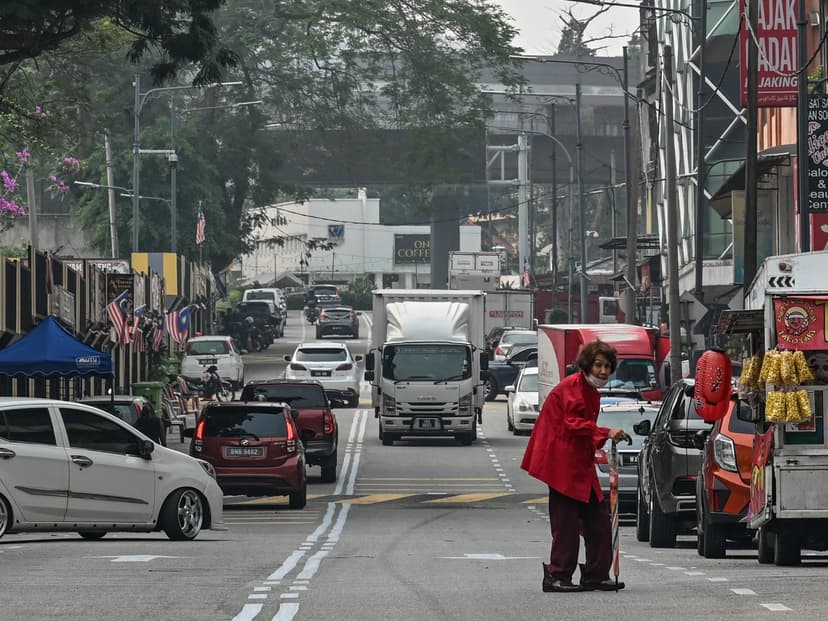
The persistent haze crisis gripping Southeast Asia, marked by school closures in Malaysia and severe air pollution in Singapore, highlights a critical economic failure. Fires, primarily for land clearing in Indonesia, disproportionately affect communities and livelihoods in regions like Kalimantan, with smoke spreading across borders.
While natural factors like El Nino can worsen fires, the core issue is the economic incentive to use burning for cheap land preparation. This practice generates private gains while dispersing immense public costs, including respiratory illnesses, lost workdays, and environmental damage, across communities and nations.
The World Bank estimated Indonesia's 2015 fire crisis losses at $16.1 billion, a stark indicator of the recurrent economic toll. This year, hundreds of thousands of hectares have burned in Indonesia, leading to hundreds of thousands of respiratory cases.
ASEAN's framework, including the 2002 Agreement on Transboundary Haze Pollution, has struggled with consistent implementation and enforcement. Moving forward, member states must enhance transparency by publishing data on burned areas and enforcement outcomes, and rigorously apply the polluter-pays principle with penalties that deter violations.
Preventing fires requires making economically viable alternatives accessible to smallholders, supported by predictable funding for peatland restoration and water management. ASEAN's regional scorecard should track progress beyond just hotspots, focusing on accountability and tangible reductions in smoke exposure.


