
Home / Environment / Arunachal Glacier Melts, Forming Dangerous New Lake
Arunachal Glacier Melts, Forming Dangerous New Lake
12 May
Summary
- Khangri Glacier in Arunachal Pradesh is rapidly melting.
- A new glacial lake has formed, posing flood risks.
- The glacier's collapse affects water security for millions.
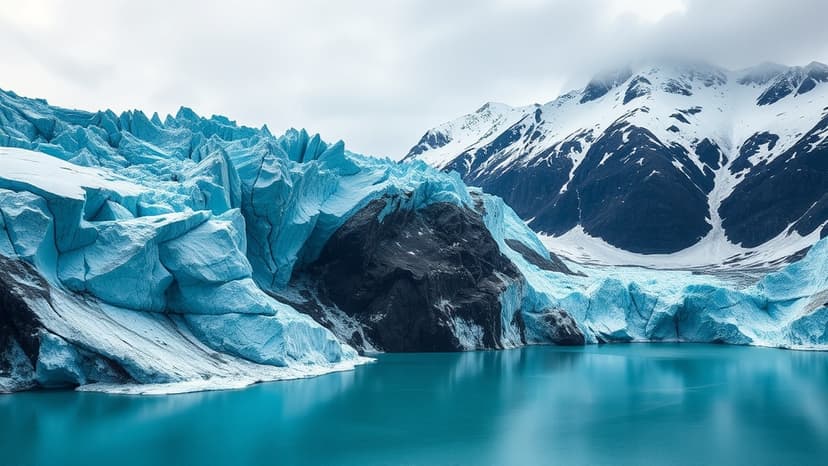
Scientists are deeply concerned about the rapid changes observed at the Khangri Glacier in Arunachal Pradesh's Tawang district. The glacier, located in the eastern Himalayas, is exhibiting rapid melting and collapse, leading to the formation of a new glacial lake at an altitude of around 16,500 feet. This development signals a precarious state for the glacier's structure.
Researchers have reported unstable ground and sinking ice zones, classic indicators of a glacier in distress. The newly formed glacial lake, situated behind a fragile natural dam of rock and ice, presents a severe risk of Glacial Lake Outburst Floods (GLOFs). Such events can unleash catastrophic floods downstream with little warning.
The Khangri Glacier is situated within the Mago Chu basin, a critical part of the Brahmaputra river system. This river network is vital for water supply to millions across India, Bhutan, Bangladesh, and Tibet. Any catastrophic event at Khangri could therefore have far-reaching consequences beyond Arunachal Pradesh's borders.
As global temperatures rise, the formation of glacial lakes is becoming more frequent in the Himalayas. The collapse of these lakes can cause devastating flash floods. The scientists' warning highlights the dual threat: immediate flood risks followed by long-term water scarcity as glacier reserves diminish.
Monitoring efforts are crucial, with new stakes and GPS tools being deployed to track the glacier's changes. This data aids in predicting potential disasters and planning water resource management. The crisis at Khangri is emblematic of a wider issue facing glaciers worldwide, particularly the "Third Pole," with profound implications for water security and regional diplomacy.
