Home / Environment / Reefs Buried: The Hidden Cost of Sea Islands
Reefs Buried: The Hidden Cost of Sea Islands
22 Jan
Summary
- Island building smothers ancient reefs, destroying habitats.
- Seabed dredging stirs sediment, blocking sunlight for marine life.
- Damage to Spratly Islands reefs impacts fisheries far away.
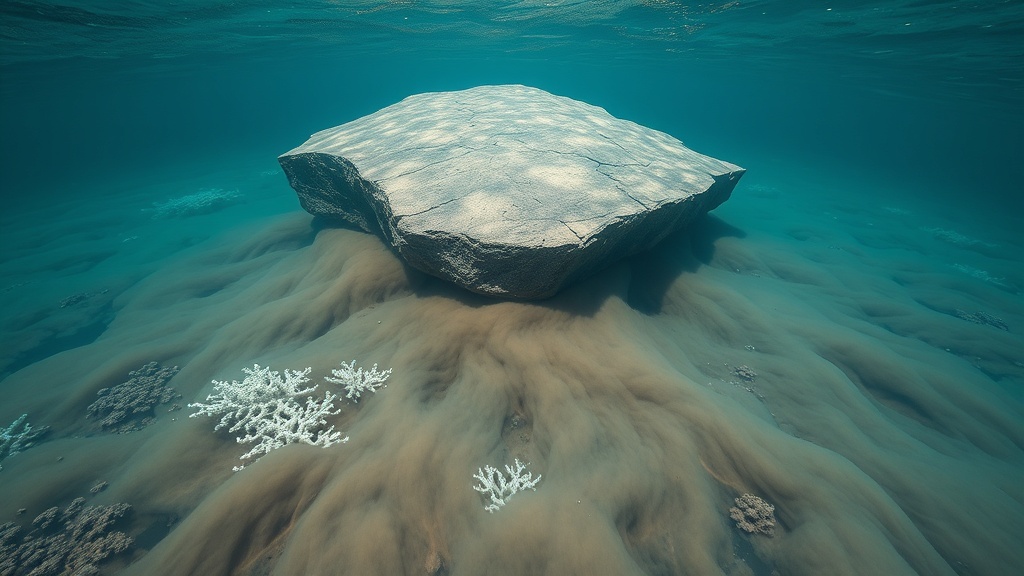
Artificial island construction in the South China Sea is causing significant ecological damage, altering seafloor landscapes that took millennia to form. Dredging ships extract vast amounts of sand and coral from the seabed, pumping it onto submerged reefs to create new landmasses. This process releases fine sediment that disperses widely, reducing sunlight crucial for coral and seagrass survival.
The suspended sediment eventually settles, smothering living reefs and disrupting the flow of water and oxygen. Coral reefs, vital structures built by marine organisms over centuries, are being buried and destroyed. These reefs support a wide array of species and serve as crucial nursery grounds for larvae that sustain fisheries throughout the region.
Scientists note that the damage to these biologically rich waters, home to endangered species like sea turtles and sharks, has far-reaching consequences. Altered water currents and wave patterns resulting from solid land structures can affect adjacent reefs and marine ecosystems. Recovery from such large-scale reef destruction is considered unlikely within human timescales, leaving a permanent scar on marine biodiversity.