feedzop-word-mark-logo
searchLogin
Feedzop
homeFor YouIndiaIndia
You
bookmarksYour BookmarkshashtagYour Topics
Trending
Terms of UsePrivacy PolicyAboutJobsPartner With Us

© 2026 Advergame Technologies Pvt. Ltd. ("ATPL"). Gamezop ® & Quizzop ® are registered trademarks of ATPL.

Gamezop is a plug-and-play gaming platform that any app or website can integrate to bring casual gaming for its users. Gamezop also operates Quizzop, a quizzing platform, that digital products can add as a trivia section.

Over 5,000 products from more than 70 countries have integrated Gamezop and Quizzop. These include Amazon, Samsung Internet, Snap, Tata Play, AccuWeather, Paytm, Gulf News, and Branch.

Games and trivia increase user engagement significantly within all kinds of apps and websites, besides opening a new stream of advertising revenue. Gamezop and Quizzop take 30 minutes to integrate and can be used for free: both by the products integrating them and end users

Increase ad revenue and engagement on your app / website with games, quizzes, astrology, and cricket content. Visit: business.gamezop.com

Property Code: 5571

Home / Environment / Reefs Buried: The Hidden Cost of Sea Islands

Reefs Buried: The Hidden Cost of Sea Islands

22 Jan

•

Summary

  • Island building smothers ancient reefs, destroying habitats.
  • Seabed dredging stirs sediment, blocking sunlight for marine life.
  • Damage to Spratly Islands reefs impacts fisheries far away.
Reefs Buried: The Hidden Cost of Sea Islands

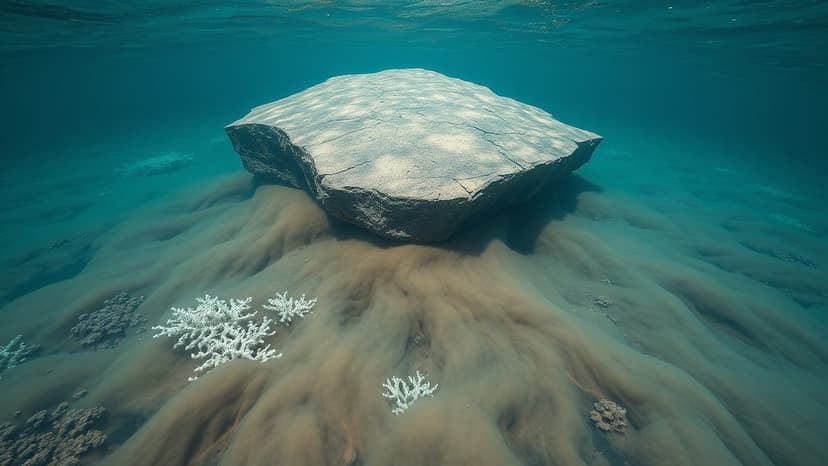
Artificial island construction in the South China Sea is causing significant ecological damage, altering seafloor landscapes that took millennia to form. Dredging ships extract vast amounts of sand and coral from the seabed, pumping it onto submerged reefs to create new landmasses. This process releases fine sediment that disperses widely, reducing sunlight crucial for coral and seagrass survival.

The suspended sediment eventually settles, smothering living reefs and disrupting the flow of water and oxygen. Coral reefs, vital structures built by marine organisms over centuries, are being buried and destroyed. These reefs support a wide array of species and serve as crucial nursery grounds for larvae that sustain fisheries throughout the region.

Scientists note that the damage to these biologically rich waters, home to endangered species like sea turtles and sharks, has far-reaching consequences. Altered water currents and wave patterns resulting from solid land structures can affect adjacent reefs and marine ecosystems. Recovery from such large-scale reef destruction is considered unlikely within human timescales, leaving a permanent scar on marine biodiversity.

trending

Chelsea beats West Ham 3-2

trending

Liverpool, Newcastle face injury woes

trending

WWE Royal Rumble in Riyadh

trending

Barcelona faces Elche in LaLiga

trending

Goretzka staying at Bayern Munich

trending

ICC T20 World Cup squads

trending

Gold, silver ETFs crashed

trending

Curran, Pandya T20Is stats compared

trending

Suryakumar Yadav T20I record

Disclaimer: This story has been auto-aggregated and auto-summarised by a computer program. This story has not been edited or created by the Feedzop team.
Island building smothers ancient coral reefs, buries habitats, and releases sediment that harms marine life and reduces sunlight.
Suspended sediment blocks sunlight essential for corals and seagrasses, while settled sediment can smother and kill reef structures.
Experts largely agree that the physical destruction of reefs and habitats caused by large-scale island building is permanent and unlikely to recover.

Read more news on

Environmentside-arrow

You may also like

China's 2025: Record Heat, Deluges, and Typhoons Unleashed

29 Jan • 9 reads

article image

2025 Smashes Records: Global Temps Soar 1.4°C Higher

13 Jan • 129 reads

article image

Woman Dangles From Balcony Fleeing Lover's Wife

9 Dec, 2025 • 215 reads

article image

Woman Uses Scarf to Clean Subway Spill

10 Dec, 2025 • 236 reads

article image

Luxury Sector Faces Bifurcated Future: Hard vs. Soft Goods Divide

3 Dec, 2025 • 256 reads

article image