Home / Environment / Plastic Grass Fouls Spanish Seas
Plastic Grass Fouls Spanish Seas
23 Jan
Summary
- Artificial grass fibers are a major ocean pollutant off Spain.
- Fake turf constitutes 15% of large plastics near Barcelona's coast.
- Plastic grass harms marine life by being mistaken for prey.
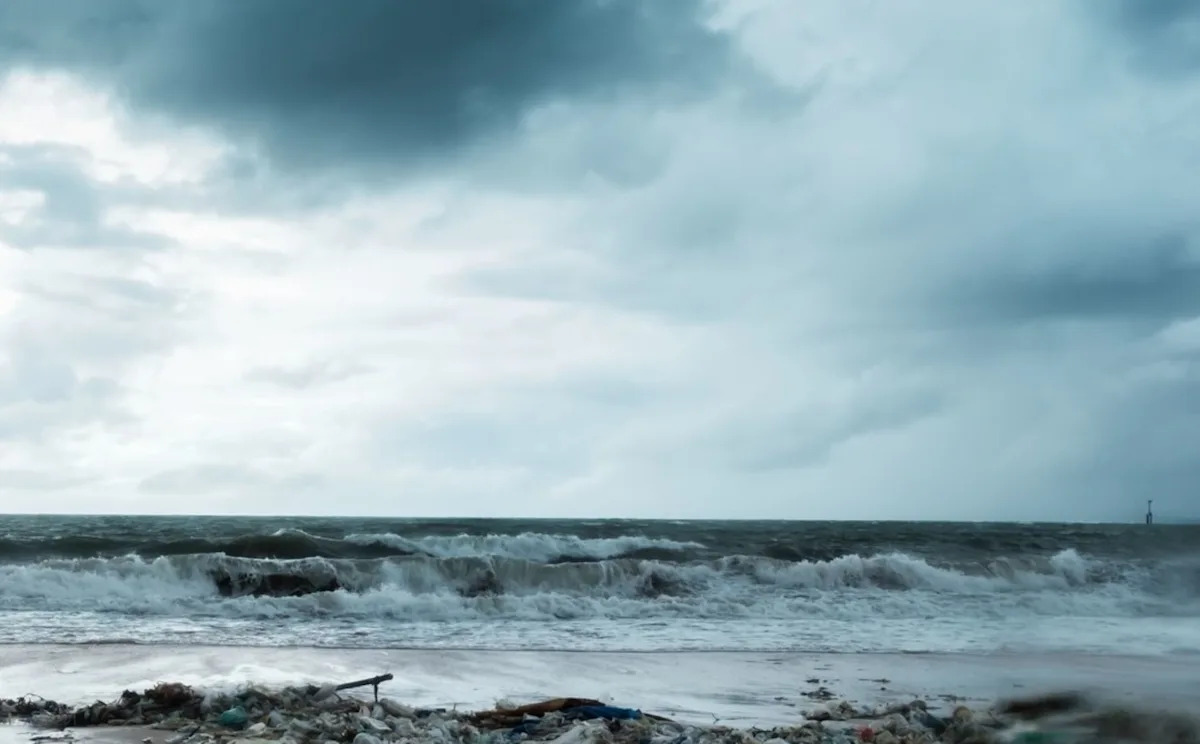
Researchers from the University of Barcelona have identified artificial grass as a significant source of plastic pollution accumulating off the Spanish coast. A study revealed that plastic fibers from artificial turf account for 15% of larger plastic debris found within half a mile of the shoreline. This discovery highlights a new facet of the plastic plague impacting marine ecosystems.
The study, which focused on plastic pieces larger than 5 millimeters, was conducted between 2014 and 2021. Lead author Liam de Haan suggested that Barcelona's extensive use of artificial turf for sports, coupled with its large population, likely contributes to these high concentrations. The durable yet non-recyclable nature of artificial grass, typically made of polyethylene, means it eventually breaks down into plastic fragments that enter waterways.
This type of ocean plastic poses a grave danger to marine life. Birds, whales, fish, and turtles can ingest these plastic pieces, mistaking them for food. This can lead to their stomachs becoming lined with plastic, causing starvation, infections, internal injuries, and reduced mobility. Additionally, artificial turf has been noted to reach higher temperatures than natural grass, potentially contributing to global warming.