

Home / Environment / Plastic Lawns Harm Bees, Cause Floods
Plastic Lawns Harm Bees, Cause Floods
27 Apr
Summary
- Artificial grass harms insects by eliminating natural mating and pollination habitats.
- Fake turf contributes to flash flooding by preventing rainwater absorption into soil.
- Manufacturing and disposal of plastic grass release microplastics and carbon.
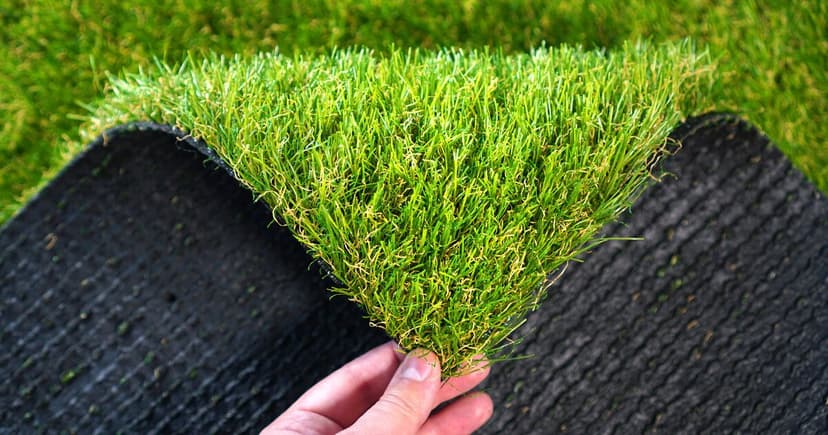
Artificial grass presents a serious threat to biodiversity, particularly impacting insect populations. The lack of natural elements like real grass and wildflowers eliminates essential mating and pollination grounds for insects. This habitat loss is detrimental to species whose ranges have already shrunk due to agricultural intensification.
Beyond ecological concerns, fake lawns contribute to urban flooding. Their plastic layers prevent rainwater from soaking into the soil, leading to increased surface runoff during heavy rainfall. This impermeability degrades soil quality and can worsen flash flood events.
The environmental cost extends to manufacturing and disposal. Producing and transporting large amounts of plastic generates carbon emissions. Moreover, artificial grass can degrade over time, releasing microplastics into the soil, further polluting the environment.
