Home / Environment / Inuit Lead Charge to Protect Melting Arctic Polynya
Inuit Lead Charge to Protect Melting Arctic Polynya
3 Sep
Summary
- Arctic's North Water, Pikialasorsuaq, or Sarvarjuaq is key ecosystem.
- Proposed protected area faces political and environmental upheaval.
- Inuit scientists gather vital data as ice conditions worsen.
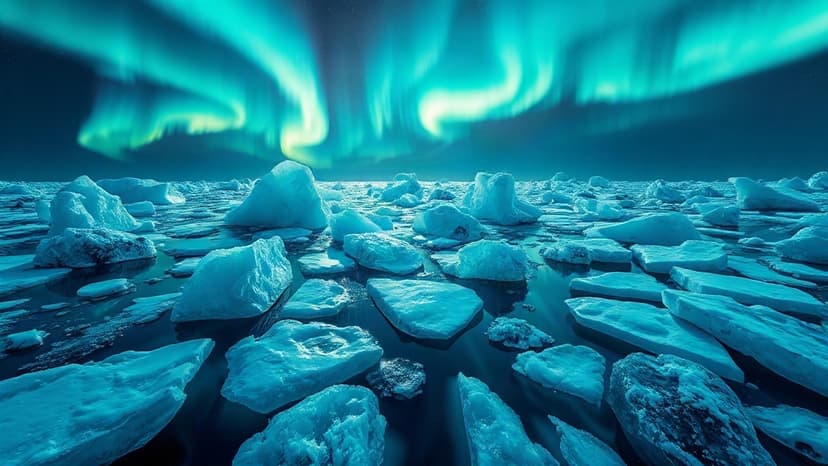
A vast Arctic ecosystem, known by multiple names including the North Water, Pikialasorsuaq, and Sarvarjuaq, is at the center of a political and environmental race against time. This critical area, characterized by year-round open water, supports a rich web of life and is essential for species from algae to polar bears.
Researchers and Inuit communities are intensifying efforts to understand the dramatic changes occurring as the climate emergency thins Arctic ice. The Nares Strait ice arch, crucial for keeping this polynya open, is failing to form consistently, leading to unpredictable ice coverage that could collapse the ecosystem's productivity.
A proposal for an internationally protected area, jointly managed by Greenland and Canada with Inuit leadership, is underway. Canada has already designated its portion as a marine protected area, but Greenland's progress has been slower, with concerns raised about safeguarding Indigenous cultural rights during conservation efforts.
Scientists like Andrew Hamilton and Inuit field researchers like Terry Noah are collaborating to monitor the polynya's changes. Their work involves collecting crucial data beneath the ice, often in remote locations like Grise Fiord. This scientific endeavor aims to create a comprehensive 'observatory' to track the polynya's health.
Connecting Inuit knowledge across Canada and Greenland is deemed essential for a holistic understanding of the changing environment. Despite logistical challenges, such as passport requirements for community members, the initiative seeks to bridge traditional knowledge with scientific measurements, ensuring the long-term preservation of this unique Arctic habitat.


