Home / Environment / Arctic Heat: Hottest Season on Record
Arctic Heat: Hottest Season on Record
17 Dec
Summary
- Arctic experienced its hottest season in 125 years.
- Sea ice extent reached a 47-year satellite record low.
- Melting permafrost releases iron, turning rivers orange.
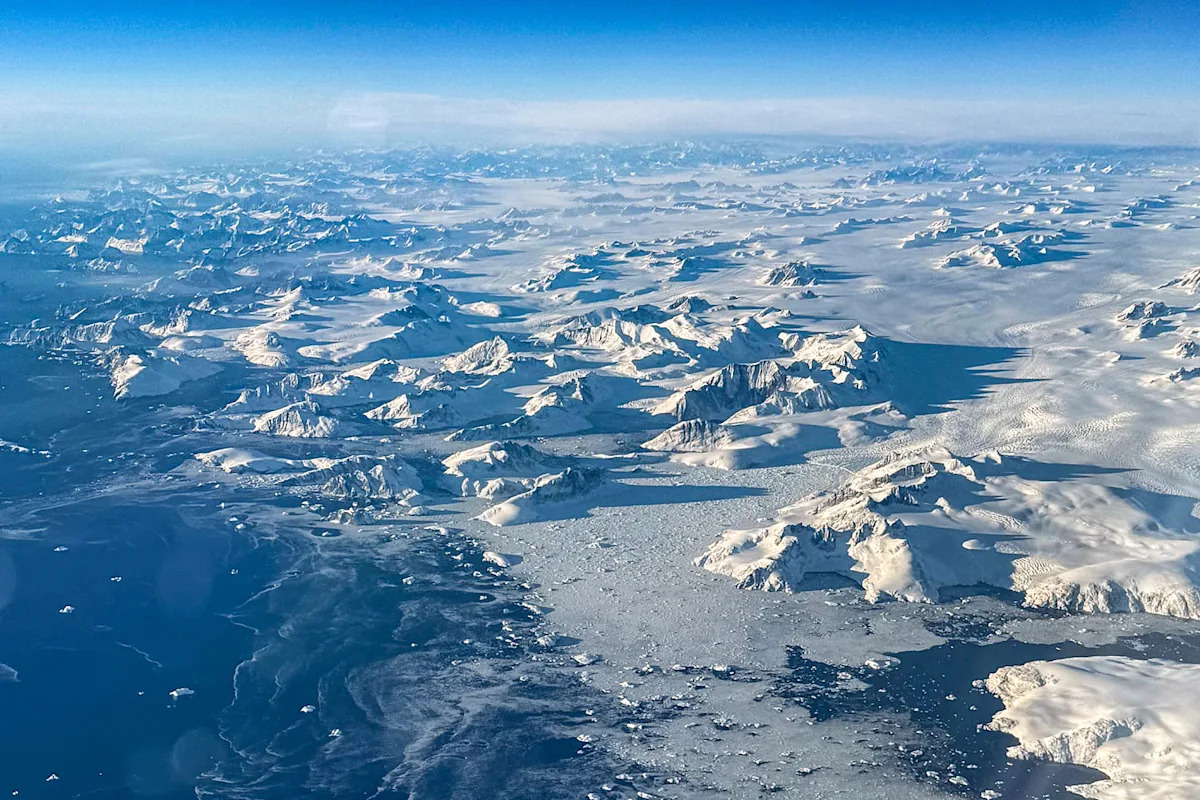
The Arctic region is undergoing rapid transformation due to global warming, with the most recent season recorded as the hottest in 125 years. Satellite data over 47 years shows a record low in sea ice extent during March, while the North American tundra displayed its most vigorous plant growth ever observed. These changes highlight the profound impact of rising global temperatures on this sensitive environment.
Warming is causing permafrost to melt, significantly altering ecosystems and affecting water bodies. In Arctic Alaska, over 200 watersheds have turned orange as iron and other elements are released into rivers, leading to increased acidity and higher concentrations of toxic metals. This phenomenon underscores the cascading effects of climate change on the Arctic's natural systems.
Despite potential budget cuts to vital monitoring programs, scientists emphasize the critical need for continued data collection to track these trends and inform decision-making. The Arctic continues to warm at two to four times the global average, a phenomenon known as Arctic amplification, necessitating urgent attention to these environmental shifts.