Home / Environment / Arctic Rivers Turn Toxic Orange: Climate Change Culprit
Arctic Rivers Turn Toxic Orange: Climate Change Culprit
17 Feb
Summary
- Bright orange water is flowing through Arctic rivers due to global warming.
- Thawing permafrost releases metals like iron, manganese, and nickel into waterways.
- Rising temperatures cause irreversible changes, impacting ecosystems and communities.
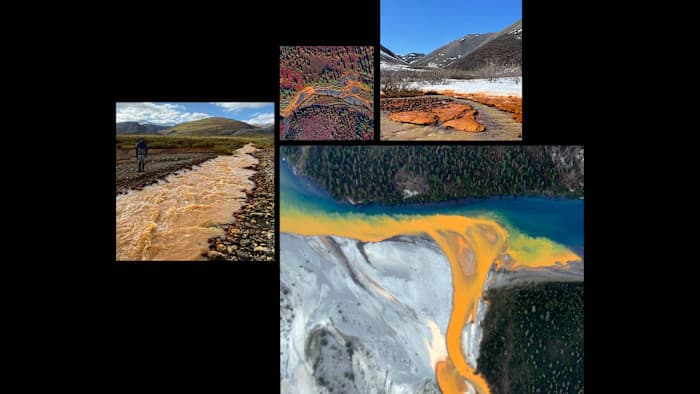
In Alaska's Brooks Range and across the Arctic, rivers are exhibiting a startling transformation, flowing with rust-orange water visible even from space. This phenomenon, primarily caused by global warming, is linked to thawing permafrost, which releases dissolved metals such as iron, manganese, and nickel into waterways. Scientists note the extensive spatial reach of this issue, with similar observations in Canada and Siberia. Aluminum is also leaching into rivers in the European Alps and Pyrenees, appearing as white residue.
Beyond the immediate visual impact, the metal-laden rivers serve as a stark indicator of deeper environmental shifts. Thawing permafrost releases not only metals but also greenhouse gases like carbon and methane, exacerbating global warming. Projections indicate that near-surface permafrost could be largely gone by 2100, creating a feedback loop of continued warming and further permafrost melt. This process is expected to intensify climate change impacts such as wildfires and flooding.
Researchers observe alarming rates of permafrost thaw, with areas once predicted to last until 2050 now expected to disappear by 2030-2035. The Arctic is warming more than twice as fast as the global average, accelerating these changes. These shifts are already affecting local communities, with fish populations declining in affected rivers. The situation underscores the urgency of addressing climate change to prevent further irreversible damage to planetary systems.